ELFA Cleaning LTD makes it simple to get clear glass and brighter rooms without fuss. Our friendly guide blends pro know‑how with practical steps you can try today, so your home looks smarter and feels fresher.
Large panes and changeable British weather soon show marks and pollen, and busy households collect prints from children and pets. With the right tools and a little routine, you can prevent stubborn streaks and keep panes looking fresh.
We’ll walk you through preparation, application, technique, finishing touches and aftercare for frames and surrounds. Learn what cleaner to choose, when to work (grey, dry days reduce streaking) and the pro touches—polishing edges, checking squeegee lips and using a lint‑free microfibre.
Safety matters: protect marble sills, ventilate when using alcohol‑based solutions and use a small kit rather than dozens of products. If time is tight, call ELFA Cleaning LTD for a swift, streak‑free service tailored to UK homes.
Key Takeaways
- ELFA Cleaning LTD offers simple, professional help to achieve clear glass and brighter rooms.
- Routine care prevents dust, fingerprints and pollen from causing lasting streaks.
- Choose grey, dry days and the right cleaner for the best results.
- One well‑mixed solution and a few smart tools beat a cupboard full of products.
- Follow safety tips for sills and ventilation; call ELFA Cleaning LTD if pressed for time.
Why sparkling, streak-free windows matter for your home
Bright, streak‑free panes let daylight flood rooms and make a house feel healthier and more welcoming.
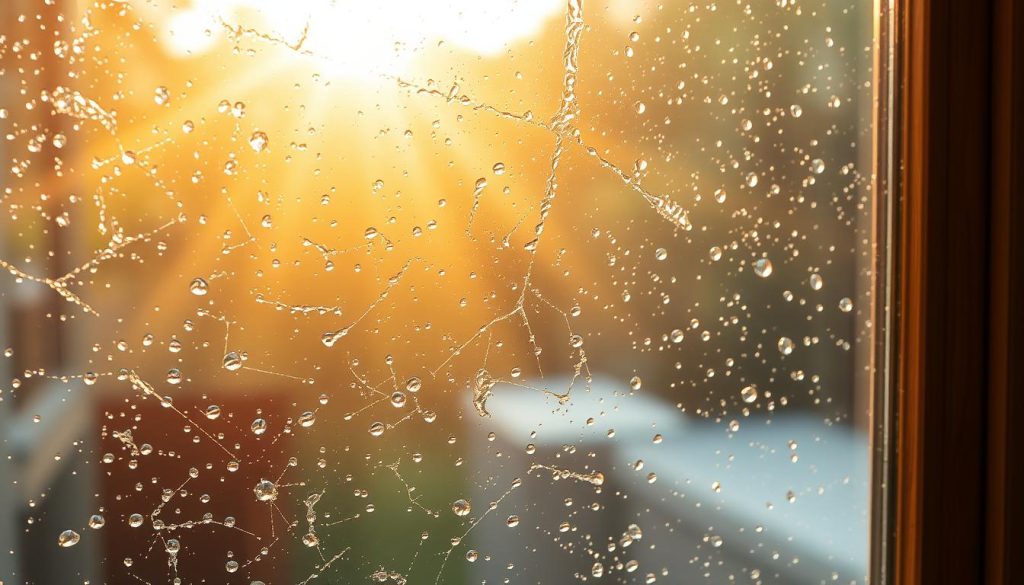
Neglected glass blocks natural light and can dampen mood. Dust, pollen and greasy marks collect fast, making rooms look dull rather than inviting.
Generous use of a good solution dissolves and suspends dirt so it wipes away instead of smeared. Professionals work top to bottom to stop drips re‑marking fresh areas.
“One reliable method today saves time and improves results every time you tackle a pane.”
Sparkling glazing lifts kerb appeal and helps houseplants thrive by admitting more light. Regular attention prevents grime and fingerprints from binding to the surface and creating stubborn streaks.
- Simple consistency reduces repeat work and keeps results streak‑free.
- Mind frames and surrounds; a tidy window area completes the look.
- In the next sections we’ll cover when to work, tools to use and step‑by‑step technique.
ELFA Cleaning LTD are here to guide UK homeowners with practical tips and a pro finish using minimal kit.
When to clean interior windows for best results
Washing on a cool, overcast day helps solutions work rather than evaporate. That reduces streaks and makes each pass count.
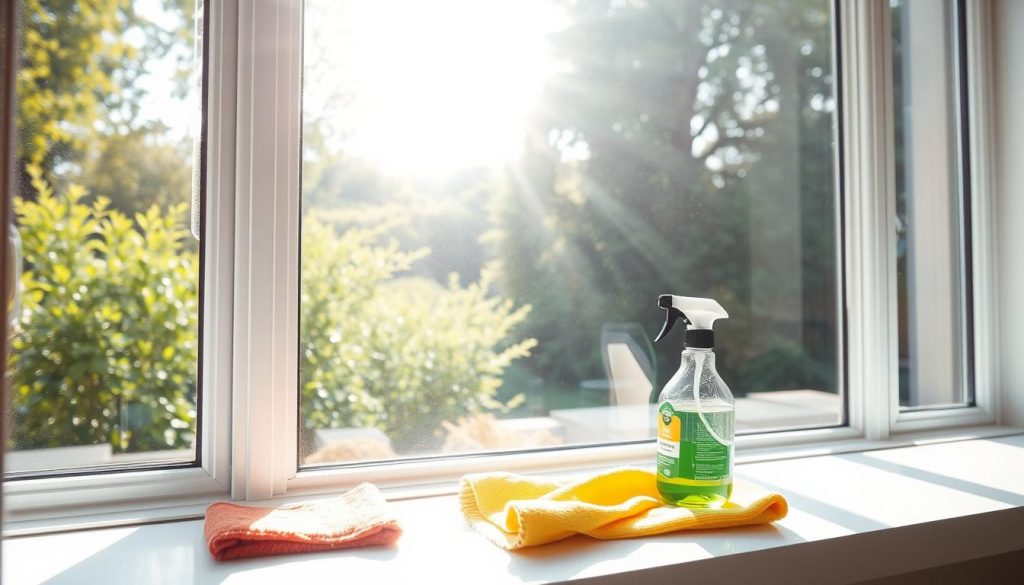
Choose an overcast, dry day to prevent streaks
Pick an overcast, dry day so the glass stays wet long enough to remove dissolved dirt. If the sun shows, start on the shadier side to stop heat drying the solution too fast.
How often to refresh panes, frames and sills
As a rule, plan a full clean every two months for both inside and outside windows. Increase the frequency after storms, during high pollen seasons or if you have pets and lots of fingerprints.
- Ready checklist: cool glass, dry weather, and enough time to finish a room without rushing.
- Batch rooms by priority to make the most of limited time.
- Dust before washing so fresh dust does not resettle on damp panes.
“If your schedule is tight, ELFA Cleaning LTD can handle seasonal deep cleans for a reliable finish.”
What you’ll need: tools, products and safe DIY cleaning solution
A small, well‑chosen set of supplies beats a cupboard full of mismatched products. ELFA Cleaning LTD recommends a short kit that covers every step and reduces repeat work.
Essentials to have on hand
- Squeegee: a good rubber lip gives one‑pass removal of water.
- Glass-specific microfibre cloths: two or three lint‑free cloths absorb moisture without leaving fibres.
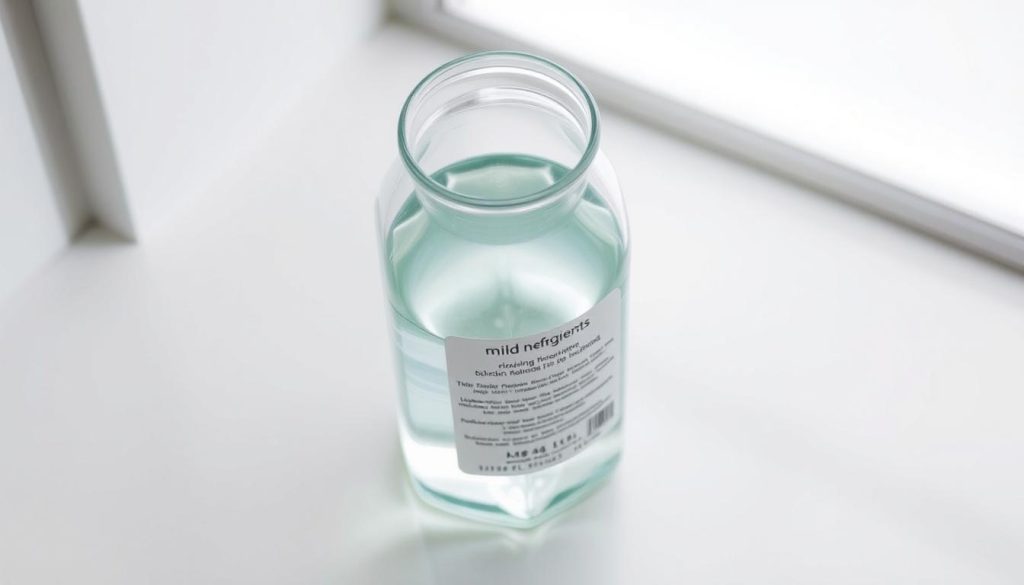
- Spray bottle and a labelled bottle for homemade mixes.
- Bucket for rinsing and a soft brush to lift dust from frames and tracks.
Two proven DIY mixes
Option A (simple): 1 litre water with 1 cup white vinegar. Avoid marble and other stone sills with acidic mixes.
Option B (fast‑evapourate): 2 cups water + 1/2 cup vinegar + 1/4 cup 70% rubbing alcohol + 2 drops washing‑up liquid. Use distilled water in hard water areas to prevent mineral spotting.
Store-bought sprays vs concentrates
Ready-made window cleaner sprays are convenient. Concentrates save money and, when dosed correctly, can add a water‑shedding film that helps repel dust.
Measure cups and drops carefully — too much washing‑up liquid leaves a film that’s hard to buff out.
Safety and upkeep: label any homemade bottle and keep it away from children and pets. Wear gloves if using alcohol or methylated spirits. Rinse cloths and refresh bucket water as it greys to avoid redepositing soil.
Pro tip: ELFA Cleaning LTD technicians carry pro‑grade products and high‑performance cloths for a fast, consistent finish.
How to clean interior windows step by step
A reliable sequence of small steps prevents repeated trips and gives a pro finish every time.
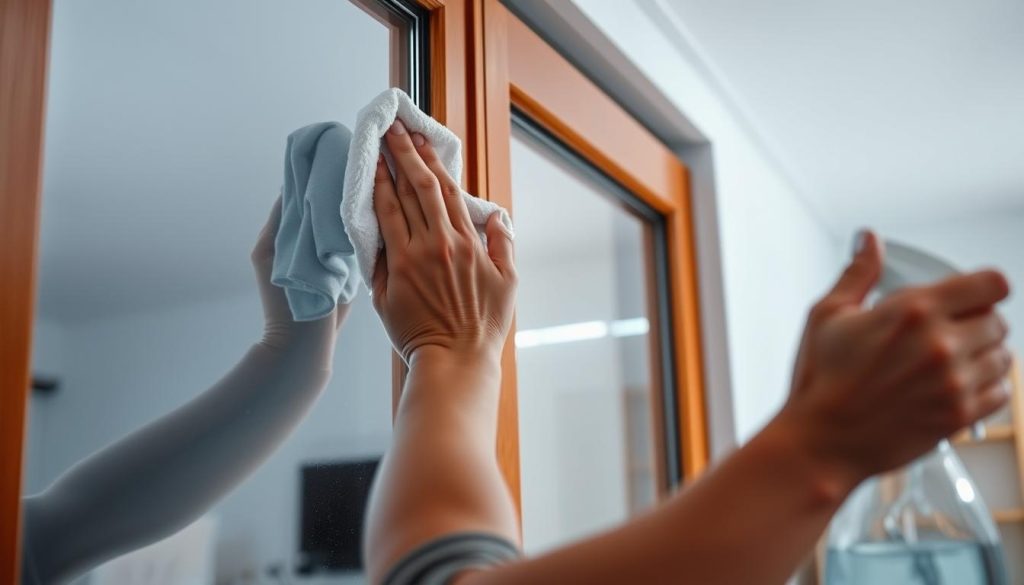
Prepare first: open blinds and remove loose dust from the frame, tracks and sill with a vacuum, duster or cloth. This stops muddy streaks when you spray.
Spray and wipe in an S-pattern
Apply a generous amount of solution so tools glide and lift dirt. Professionals often work from the top edge down in an S‑pattern. That way you overlap and avoid missed strips.
Use a pre-folded microfibre cloth to present a fresh face as you go. For very wet panes, pull a squeegee in smooth, slightly overlapped passes and wipe the rubber between pulls.
Polish edges and corners
Finish by swapping to a dry cloth to detail the top edge, corners and lower gasket where beads collect. Step back and check from an angle; re‑mist dull patches lightly and buff to restore clarity without over‑wetting.
- Keep cloths clean: refold when damp or grimy.
- Wipe the sill last so stray moisture doesn’t leave marks.
- ELFA Cleaning LTD tip: wipe one side horizontally and the other vertically to locate streaks.
Frames, sills and tracks: detailed care to stop dust, dirt and mildew
Frames, sills and tracks gather gritty debris that shortens finishes and invites mould if left unchecked. A quick, material‑aware routine prevents damage and keeps window areas hygienic.
Wood, uPVC and aluminium: material-safe techniques
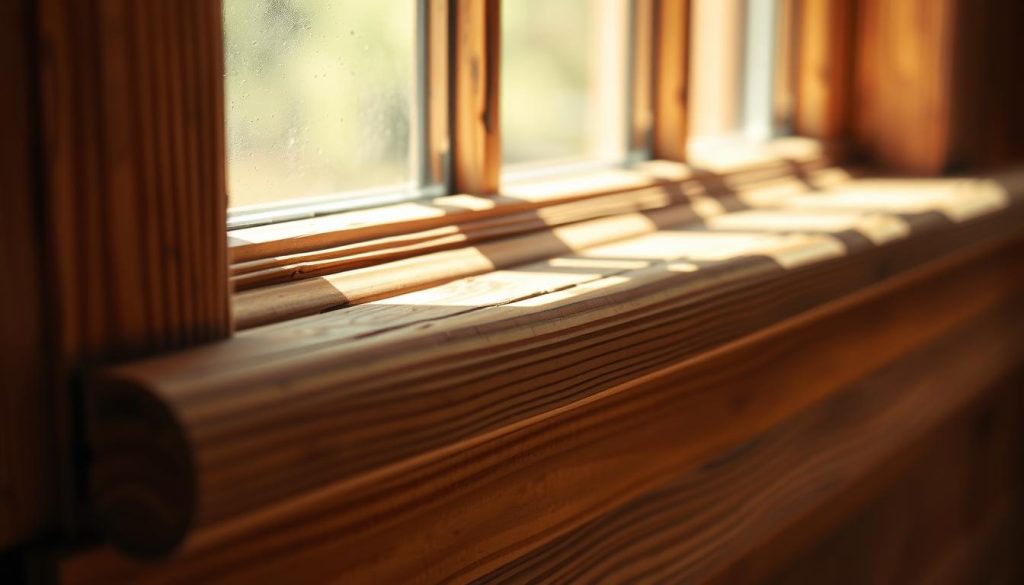
Remove coarse debris first with a hand brush or vacuum to avoid scratching. For timber, use appropriate wood care products and avoid soaking the surface.
Use anti‑static solutions on uPVC and a mild detergent on aluminium to protect paint and seals. Protect marble or porous stone from acidic agents like vinegar by covering before nearby work.
Track cleaning and stubborn grime
Start by vacuuming tracks, then agitate with a small brush and wipe with a damp cloth. For mildew, apply a borax and vinegar paste, leave for about 10 minutes, then scrub and rinse.
Moisture management to prevent mould and streaks
Wring cloths well and dry sills thoroughly, especially on older timber or poorly sealed joints. Check uPVC drain holes so moisture escapes rather than pools.
“Regular, light attention keeps dirt from bonding to surfaces and saves time later.”
| Material | Recommended agent | Key tip |
|---|---|---|
| Wood | Wood care product | Use minimal water; dry immediately |
| uPVC | Anti‑static cleaner | Check drain holes in channels |
| Aluminium | Mild detergent + water | Avoid abrasive scrubbing |
ELFA Cleaning LTD can deep‑clean frames and tracks safely when build‑up is heavy, preserving finishes and keeping sills hygienic.
Screens, blinds and curtains: the complete clean window routine
A tidy frame and well‑refreshed fabric make any pane look newly treated. Treating screens, blinds and curtains together keeps the whole area fresh and prevents dust from settling back on glass.
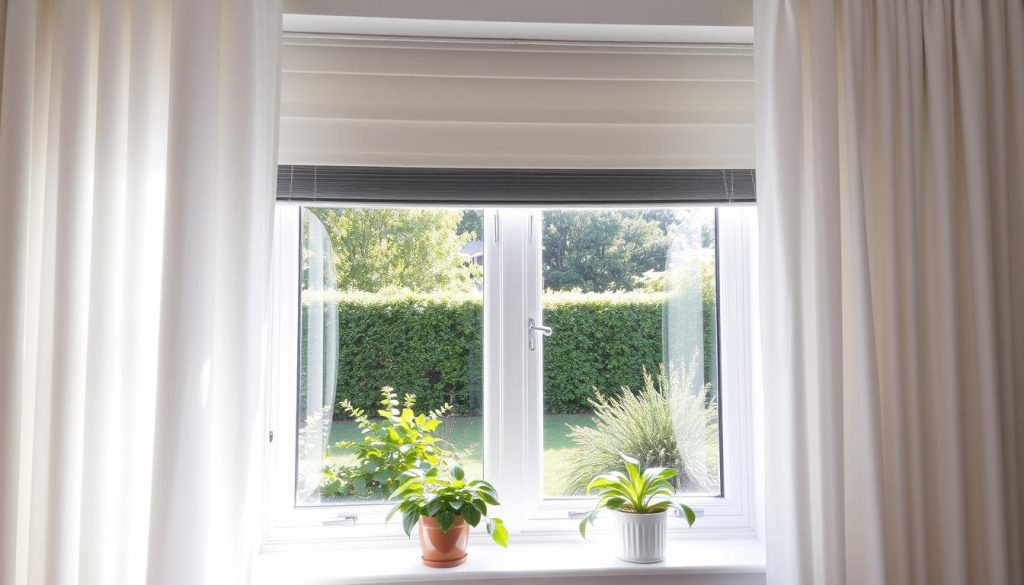
Pop-out screens: rinse or wash, then dry fully before refitting
Remove the screen following the manufacturer guidance to avoid bending frames. Use a soft brush or vacuum to lift loose dust, then wash with warm, sudsy water if needed.
Lay screens flat on a towel to air‑dry completely before refitting. Drying fully stops trapped moisture causing musty odours or marks.
Dust blinds, refresh curtains and protect the window area
Dust blinds slat‑by‑slat with a microfibre duster, then give a dry pass so moisture does not attract fresh dust. A handheld steam cleaner can lift particles from slats without soaking the sill.
Refresh curtains by following the care label or a short tumble on an air‑only cycle to remove dust and creases. Place a towel under screens or blinds when washing to protect your floor and carpets.
ELFA Cleaning LTD can help with this wider room refresh, taking care of soft furnishings and small mirrors using glass‑safe methods so your home feels genuinely bright again.
Streak-free technique: ELFA Cleaning LTD pro tips
Small adjustments in spray quantity and movement will transform a good pass into a perfect finish.
Use enough cleaner so your tools glide and lift soil instead of pushing it. A generous mist helps the squeegee and cloth remove grime easily.
Use enough cleaner to suspend dirt; avoid over-soaping
Too much detergent leaves a greasy film. One small drop of washing-up liquid in your mix is plenty.
Pro tip: warm water or steam loosens greasy marks; steam’s demineralised water also dries clearer.
Figure-of-eight vs straight pulls: when each works best
For small panes, use a figure-of-eight motion to work dirt into the cloth and avoid lines.
For large panes, make straight, slightly overlapped pulls from top to bottom for a smooth finish.
Microfibre glass cloths over newspaper or weak paper towels
Dedicated microfibre cloths are lint-free and highly absorbent. Rotate cloths as they get damp rather than finishing with a saturated one.
Inspect the squeegee lip before starting. If it’s nicked, rotate or replace it to stop tell-tale trails.
- Feather the top edge first to prevent drips running down clean areas.
- Work methodically from one side to the other to reduce missed spots.
- ELFA Cleaning LTD mantra: the right technique and just enough product equals fewer passes and no streaks.
Common mistakes to avoid when you clean interior windows
Small mistakes while tackling panes often create more work than they save. ELFA Cleaning LTD sees the same time‑wasting errors in UK homes, so we recommend a few simple checks before you start.
Cleaning in direct sun or on hot glass
Do not work in direct sun or on warm glass. A bright, hot day causes solutions to flash‑dry and leaves stubborn streaks. Choose a cool day or the shady side of a room to get an even finish.
Skipping the initial dust-off of frames and sills
Never spray over dust and grit. Always give frames, tracks and sills a quick dust‑off first. Loose dirt dragged across the pane makes muddy marks that take longer to remove.
Using worn squeegee lips or lint‑heavy cloths
Check the squeegee lip before you start. A nicked edge or dusty rubber leaves lines you will chase forever. Avoid weak paper towels that shed fibres; use microfibre for a lint‑free finish.
“Use enough product and the right tools — skimping on solution or equipment costs time, not money.”
- Don’t ration the spray — too little leaves residues that show in daylight.
- Wipe tool edges regularly so accumulated dirt does not transfer back onto the pane.
- Protect timber: avoid soaking and dry promptly to preserve finishes.
- Break large jobs into zones so technique and energy stay consistent.
ELFA Cleaning LTD advises: follow these points and you’ll cut rework and get a streak‑free outcome faster. For high or hard‑to‑reach glass, our professional cleaners can save you time and ensure a safer, streak‑free result.
DIY vs professional help: when to call ELFA Cleaning LTD
Deciding whether to tackle your panes yourself or book a pro job depends on height, time and tool access.
Small, ground-floor panes are often a sensible DIY job. With an extending pole, a long double-sided squeegee and a steady bucket mix of water, vinegar and a drop of soap, you can get a tidy finish. Use a soft brush for frames and a labelled bottle of window cleaner for consistent results.
High, hard-to-reach panes and time-saving options
For second or third-storey glazing avoid risky roof access. Extending poles help, but large picture panes and outside windows need trained staff and specialist kit.
Safe, efficient, streak-free service across the UK
ELFA Cleaning LTD offers nationwide coverage, safety-trained teams and pro‑grade products. We protect the window frame and surrounding surface to prevent drips and damage.
“Calling professionals can free up your day while ensuring a sparkling, streak‑free finish.”
- DIY suits easy ground-floor panes; use a pole, squeegee and bucket wisely.
- Call ELFA for high, awkward or exterior jobs and for deep-clean of frames and tricky corners.
- We schedule at a convenient time and handle inside and outside windows together.
| Task | DIY | ELFA Cleaning LTD |
|---|---|---|
| High/exterior panes | Use extending pole (limited) | Safety-trained teams, suitable equipment |
| Large picture glass | Time-consuming, needs care | Fast, methodical coverage |
| Frames & tricky corners | Brush and cloth can help | Deep-clean, protects finishes |
Request a free quote anywhere in the UK and let our cleaners take the risk and labour off your list. We deliver a quick, reliable way to a truly clean window finish.
Conclusion
A quick, methodical finish is what turns effort into lasting clarity for every pane. Prepare the frame and sill, pick an overcast day, and use a measured cleaning solution before you work from top to bottom. Keep a labelled spray bottle and a measuring cup handy for repeatable results.
Tool basics make a difference: a reliable squeegee, several dry microfibre cloths and a soft brush clear dust from crevices fast. Use distilled water in hard water areas and a small dash of dish liquid so the surface dries without film.
For high panes, limited time or a yearly deep clean, ELFA Cleaning LTD can help. Book a visit and we’ll deliver a pristine, streak‑free finish so your home feels brighter and upkeep takes less time.