
ELFA Cleaning LTD offers friendly, expert support for UK households facing a common household problem. A cobweb is the stray silk left by a spider’s web that traps dust, dirt and pet hair, so it quickly becomes visible and unsightly indoors.
Our approach is practical and simple. We explain how regular dusting, working from top to bottom, and vacuuming floors after dusting stop dust from recirculating in the air.
Check high corners, blinds, ceiling fans and air vents — these spots move air and spread dust. Outdoors, a broom or ShopVac keeps porches, windows and eaves neat, so the outside of your house matches the inside.
Whether you want quick tips to tackle this yourself or prefer a scheduled service, ELFA Cleaning LTD can help busy homes stay clean without fuss.
Key Takeaways
- ELFA Cleaning LTD provides friendly, reliable help for this common problem.
- Abandoned spider silk traps dust and pet hair, making it look messy fast.
- Dust weekly (or fortnightly if busy), work top-to-bottom and vacuum after dusting.
- Pay attention to high corners, fans, blinds and air vents to limit spread.
- Use a broom or ShopVac outdoors to tidy porches and eaves.
- Simple routines and deterrents reduce the chance of spiders settling in.
Understanding cobwebs in UK homes
Spider silk can persist long after its maker has gone, and that persistence explains why strands collect so much debris.
What they are:
H3: What cobwebs are and how they form from abandoned spider webs
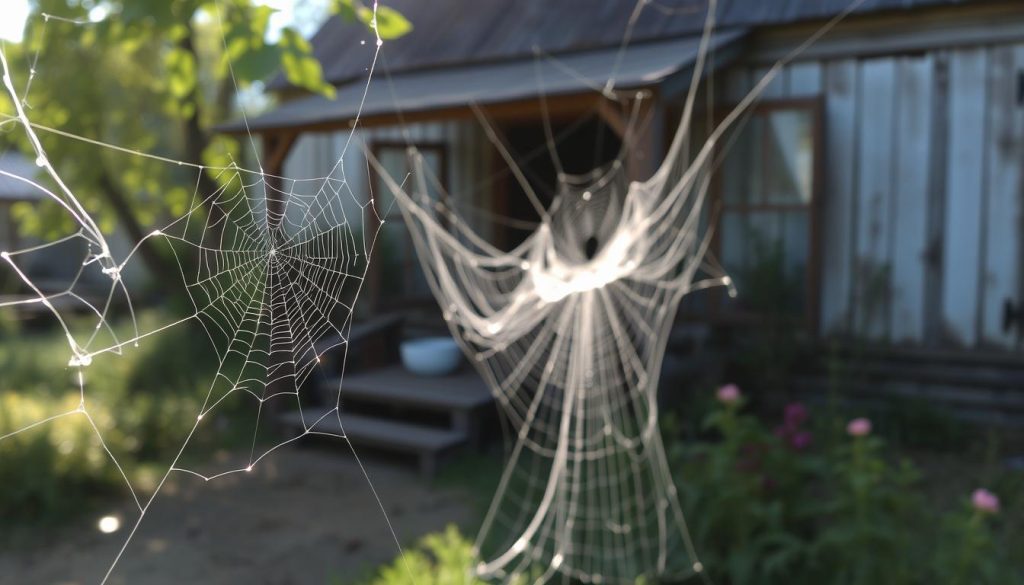
A cobweb starts as a spider’s web. When the spider moves on, the silk hardens but often stays tacky. That sticky thread then traps particles from the air and stays visible in a house.
Why they gather material:
H3: Why cobwebs collect dust, dirt and dander in corners and on ceilings
The ultra-fine silk is hard to spot until dust and pet dander cling to it. Air currents in rooms pull particles toward edges and corners, so webs appear on ceilings, light fittings and around vents.
- A single cobweb can look greyer over time as it traps more dust.
- Repeated build-up often points to steady airflow or entry points for spiders.
- ELFA Cleaning LTD targets these hotspots to help keep homes cleaner between visits.
Preparation: safe, simple set-up before you clean cobwebs
Before you start, a short set-up step saves time and keeps your home looking cared for.
Protect nearby furniture — move fragile items and place a towel over sofas, cabinets and beneath corners you plan to tackle. This prevents dust from settling on fabrics and wood.
Choose gentle tools. A vacuum with a soft brush attachment is ideal for ornate light fittings and delicate trims. It clears dust without scratching finishes.
For awkward angles, make a DIY duster. Dampén a clean sock or microfibre cloth and fasten it to a broom or extendable pole. This helps reach high places and window frames safely.
- Keep a stable step stool or extendable pole to avoid overreaching.
- Work room by room, from the highest surfaces down to save time.
- Have bin bags and extra microfibre cloths to switch tools quickly between areas and corners.
ELFA Cleaning LTD advises this simple routine so you can clean cobwebs efficiently while protecting the finishes in your home.
How to remove cobwebs: a step-by-step method
Tackle ceilings and ledges first; a measured top-to-bottom sweep gives the best results. ELFA Cleaning LTD outlines a friendly, efficient routine any UK homeowner can follow to clean cobwebs and keep a tidy home.
Work top to bottom: ceilings, corners, light fixtures and window areas
Begin at the ceiling and brush along coving and corners so loose dust falls to lower surfaces you will clean later. Move across light fittings and window areas in a steady pass.
Best way to use a vacuum cleaner with soft brush attachments
Use the vacuum’s soft brush and glide slowly. This is the best way to lift webs without scuffing paint or delicate fittings.
DIY duster: damp microfibre or sock on a mop for delicate spaces
For shades, frames and mouldings, fit a damp microfibre or a sock to an extendable pole. The fibres grab silk and dust rather than spreading it.
Finish well: vacuum floors to stop dust recirculating in the air
Once high-level cleaning is complete, wipe sills and ledges then vacuum floors thoroughly. Dust weekly, or every two weeks if time is tight.
Extra attention: blinds, ceiling fans and around air vents
Give special care to blinds, fans and vents as these areas move air and can seed fresh webs. A slow, steady pass now saves repeat cleaning later.
Cleaning outdoor spider webs and cobwebs around the house
Keeping the outside of your home neat makes an immediate difference to nearby webs. Tidy exteriors limit the places spiders choose to build and cut the need for frequent cleaning.
Broom and ShopVac techniques for porches, windows and eaves
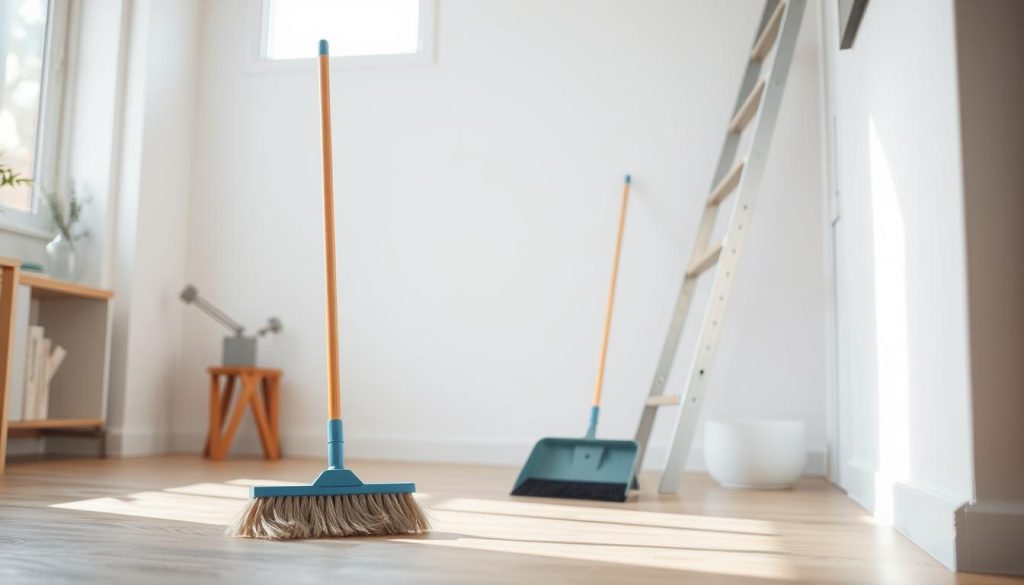
Use a stiff broom on porches, eaves and window frames to clear cobwebs and web anchors quickly. For textured brick or rough render, a ShopVac is better at pulling strands away without damaging surfaces.
Keeping exterior spaces tidy to limit spiders entering your home
- Work methodically around window sills and lintels, checking behind lights and in narrow edges.
- Dispose of debris in a sealed bag and carry it away from doors to avoid driving spiders back toward the house.
- Clean outdoor furniture undersides and railings where webs often reform.
- Sweep leaf litter and dirt, keep bins closed and trim shrubs that touch the building.
- Seal small cracks around frames and services to cut access points for spiders.
| Task | Tool | Best for |
|---|---|---|
| Porches & eaves | Stiff broom | Quick clearing of anchors and large webs |
| Textured walls | ShopVac | Pulling strands from rough surfaces |
| Window frames & sills | Soft brush or extendable pole | Delicate edges and lintels |
| Ongoing upkeep | Sweep & trim | Reduce harborage and entry points |
ELFA Cleaning LTD can include exterior spot-clearing as part of a tailored service to keep these places around your house neat and less inviting to spiders.
Prevent cobwebs: practical pest control and ongoing maintenance
A little weekly attention saves time and keeps your home less inviting to spiders.
Regular dusting and decluttering routines that actually work
Set a simple schedule that fits your time. Dust high corners, window sills and ceiling areas weekly; every two weeks is fine if you are busy.
Vacuum after dusting so dust does not circulate in the air. Tidy storage spaces and reduce clutter so spiders find fewer sheltered spaces.
Natural deterrents: vinegar spray and essential oils
Mix equal parts white vinegar and water in a spray bottle and mist corners, skirting and window seals. Refresh weekly or fortnightly for ongoing control.
Rotate natural oils—peppermint, tea tree and lavender—diluted in water and lightly spritz places where webs tend to form. These scents deter spiders without harsh chemicals.
Seal gaps and window seals; use WD-40 on repeat-problem spots
Seal cracks around frames and improve window seals to block entry points. Apply a light film of WD-40 on interior window corners and anchor points so silk struggles to grip.
When to call in professional pest control or ELFA Cleaning LTD
If you see ongoing spider activity despite cleaning and deterrents, combine targeted pest control with regular cleaning. Persistent infestations need a specialist to address the source, not just the symptoms.
ELFA Cleaning LTD cleaners can build a maintenance plan that blends routine cleaning and practical prevention, and will advise when pest control is the next step in addition to regular visits.
| Action | Frequency | Why it helps |
|---|---|---|
| Dust high areas & vacuum | Weekly / Fortnightly | Stops spiders and webs forming by removing food and dust |
| Vinegar spray | Weekly | Natural, safe deterrent for corners and skirting |
| Essential oil spritz | Rotate weekly | Peppermint, tea tree, lavender deter spiders from settling |
| Seal gaps & WD-40 | As needed | Blocks entry points and prevents silk from anchoring |
| Professional pest control | When persistent | Tackles infestations at the source alongside cleaning |
Conclusion
,Consistent care at high level and a final floor vacuum cut down how quickly silk and dust return. A steady top-to-bottom routine using a soft-brush vacuum and a damp microfibre on a pole gives a practical way to clean cobwebs and keep your air clearer.
Pay special attention to blinds, ceiling fans and air vents. Use vinegar or diluted essential oils, seal gaps and try a light film of WD-40 on repeat spots to stop silk anchoring again.
If time is tight, ELFA Cleaning LTD cleaners offer friendly, flexible help across the UK. We can plan one-off deep work or scheduled upkeep, and advise on pest control where spiders persist.
These tips help you act today and keep your home looking its best. Contact ELFA Cleaning LTD for a no-pressure chat about the right way to tackle the problem in your house.
FAQ
What causes spider webs to become visible in UK homes?
Spider webs start as sticky silk spun by spiders. Over time they gather dust, dirt, dander and airborne fibres, making them visible in corners, on ceilings and around light fittings. Poor ventilation and undisturbed areas encourage build-up, so webs become more noticeable in lofts, garages and seldom-used rooms.
How should I prepare a room before cleaning webs?
Clear the area and cover delicate furniture with a sheet or cloth. Choose the right kit — a vacuum with a soft brush attachment, a long-handled duster or a microfibre cloth on a broom handle — and wear gloves and safety glasses for high ceilings or dusty spaces.
What is the best order to tackle webs inside the house?
Work top to bottom. Start with ceilings, light fittings and high corners, then move to walls, window frames and skirting boards. Finish by vacuuming floors to pick up fallen dust and prevent recirculating particles.
How can I use a vacuum cleaner effectively for this job?
Fit a soft brush attachment and extend the wand. Gently brush webs into the nozzle rather than scrubbing, which spreads dust. Empty or change the dust bag/outlet afterwards to keep the machine efficient and avoid odours.
Are there gentle DIY options for delicate fixtures and soft furnishings?
Yes. A damp microfibre cloth or a clean sock secured to a mop handle works well for fragile areas. Lightly wipe without soaking surfaces to avoid damage, especially on plaster, lampshades and painted wood.
How do I clean external webs on porches, eaves and window frames?
Use a stiff broom or a Shop-Vac for higher areas. Work from a stable ladder if needed and sweep downwards to prevent debris falling back into cleaned spaces. Regular sweeping of exterior ledges and porch lights helps keep spiders from re-establishing webs.
What routines help prevent webs from returning?
Regular dusting, decluttering and vacuuming reduce insect prey and dust that attract spiders. Clean high traffic and hidden spots monthly, maintain good ventilation, and keep outdoor lights turned off or switched to yellow bulbs that attract fewer insects.
Are there natural repellents that discourage spiders?
Yes. Vinegar sprays, or solutions containing peppermint, tea tree or lavender oils, can deter spiders when applied around window seals, door frames and loft hatches. Reapply regularly and test on small paint patches first to avoid staining.
Which gaps and areas should I seal to stop spiders entering?
Inspect and seal cracks around windows, doors, pipe entries and loft hatches. Replace torn window seals and fit fine mesh to vents. For repeat-problem spots, a light spray of WD-40 can reduce silk adhesion on metal or painted surfaces.
When is it sensible to call professional pest control or ELFA Cleaning LTD?
Contact professionals if webs return rapidly, if there is a heavy infestation of spiders or other pests, or if high areas are unsafe to access. ELFA Cleaning LTD and certified pest technicians offer targeted treatments and high-reach cleaning to keep your home free of webs and dust.
Will regular vacuuming stop dust and dander from collecting on webs?
Regular vacuuming reduces the amount of loose dust and dander in the air, making webs less likely to become dusty and visible. Focus on corners, skirting boards and behind furniture where particles settle most.
Can cleaning fans, blinds and air vents reduce web formation?
Yes. Fans and vents circulate dust and disperse insects that attract spiders. Clean fan blades, blind slats and vent covers frequently to remove dust build-up and lower the chance of webs forming nearby.