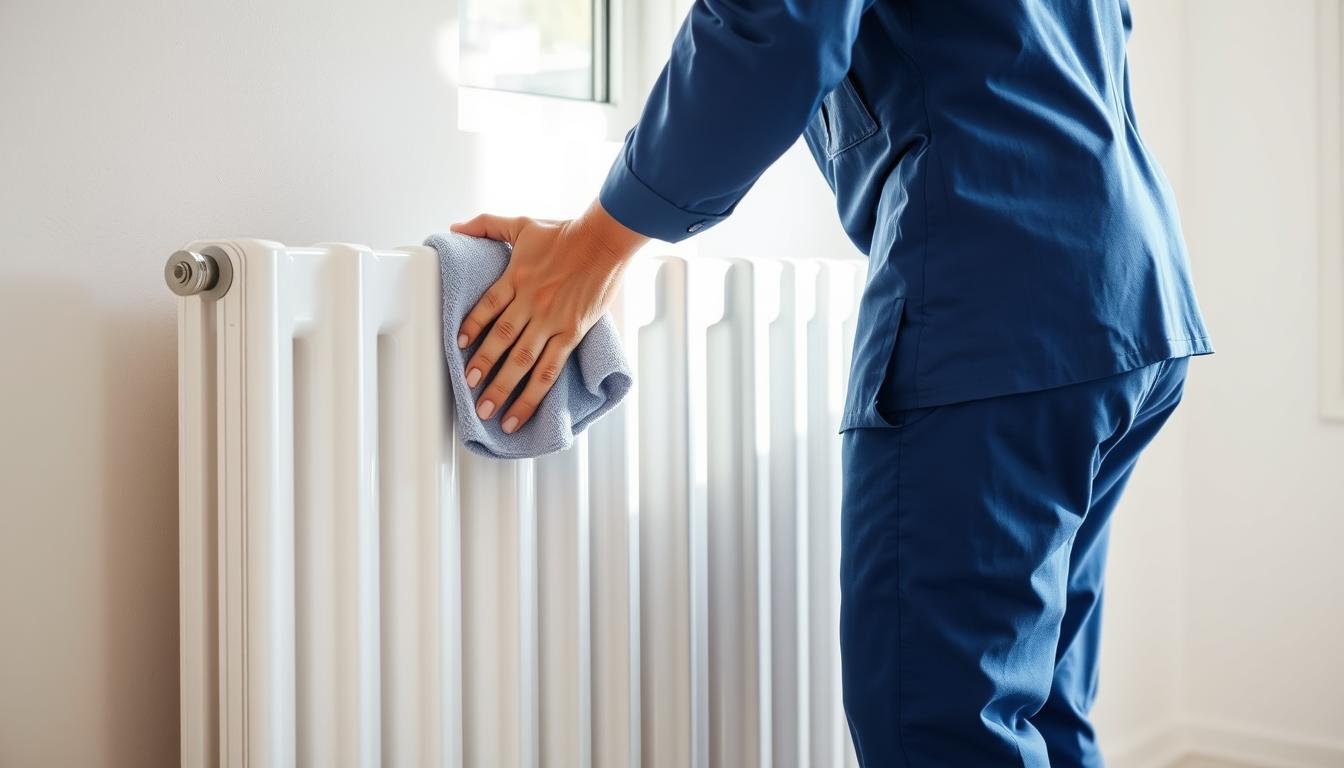
This short guide from ELFA Cleaning LTD helps homeowners in the UK keep a radiator performing safely and efficiently. It shows simple steps to remove dust and grime that reduce energy efficiency and cause odours.
We’ll set realistic expectations for busy households and explain why clear surfaces and open internal pathways help radiators work better. With basic tools — a vacuum brush, radiator brush, microfibre cloth, mild detergent or diluted white vinegar — small efforts can save up to 25% on bills, roughly £225 a year, and avoid cold spots.
Before you start, make sure to turn off controls and allow enough time for components to cool. Avoid harsh chemicals, aerosols and bleach which can be a fire risk and damage paint or metal.
Key Takeaways
- Simple routine, big gains: A few minutes with the right cloth and brush improves heating and efficiency.
- Safety first: Turn off systems, wait to cool, avoid aerosols and bleach.
- Tools matter: Use vacuum brush, radiator brush, microfibre cloth and mild solutions.
- Save money: Regular care can reduce energy bills and cut cold spots.
- Gentle methods: Follow advice to prevent scratches, corrosion or paint harm.
Why cleaner radiators mean a warmer, cheaper home in the UK
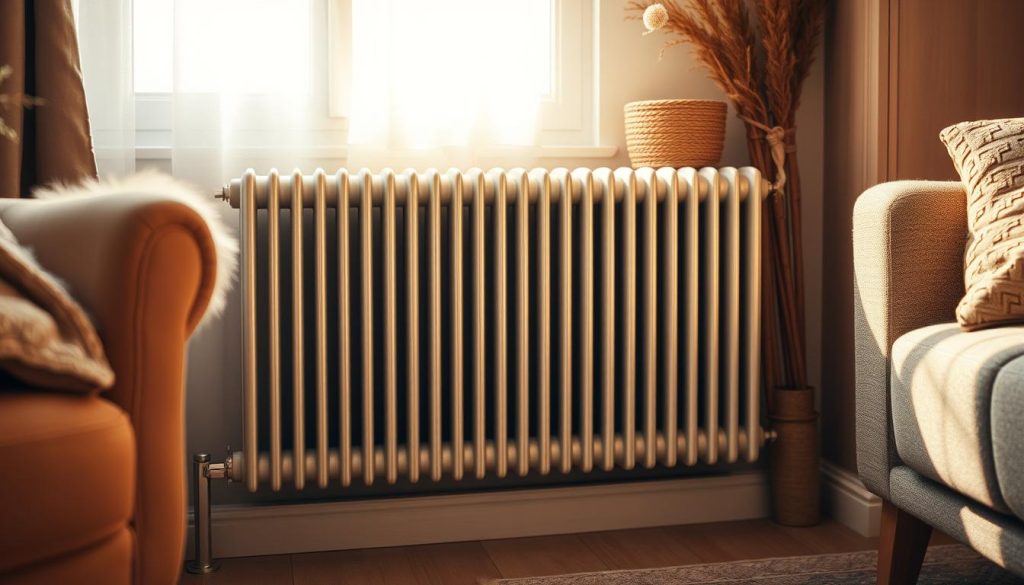
When fins and columns are free of debris, the whole heating system performs better. Dust trapped between surfaces blocks heat from escaping. That forces your radiator to run longer, using more energy and costing you more over the year.
ELFA Cleaning LTD stresses value: clear panels improve heat transfer so rooms reach the thermostat target faster. Small routines can avoid cold spots and keep a room feeling comfortable without extra fuel use.
- Faster warmth: Cleaner units transfer heat more effectively, so the heating runs for less time.
- Less insulation from dust: Even a thin layer reduces efficiency and causes uneven warmth.
- Simple upkeep: Quick passes with a vacuum and a thin brush keep radiators working across their surface.
- Cost saving: Regular care can cut bills—proper attention may save up to 25% (£225 per year).
- Broad benefits: Whether a towel rail or a classic column model, less build-up means better heat release and firmer performance from your heating system.
Always turn systems off and allow sufficient time for cooling before you begin. A few minutes every few months keeps paintwork fresh and helps the whole home stay cosy for longer.
Tools and materials you’ll need before you start
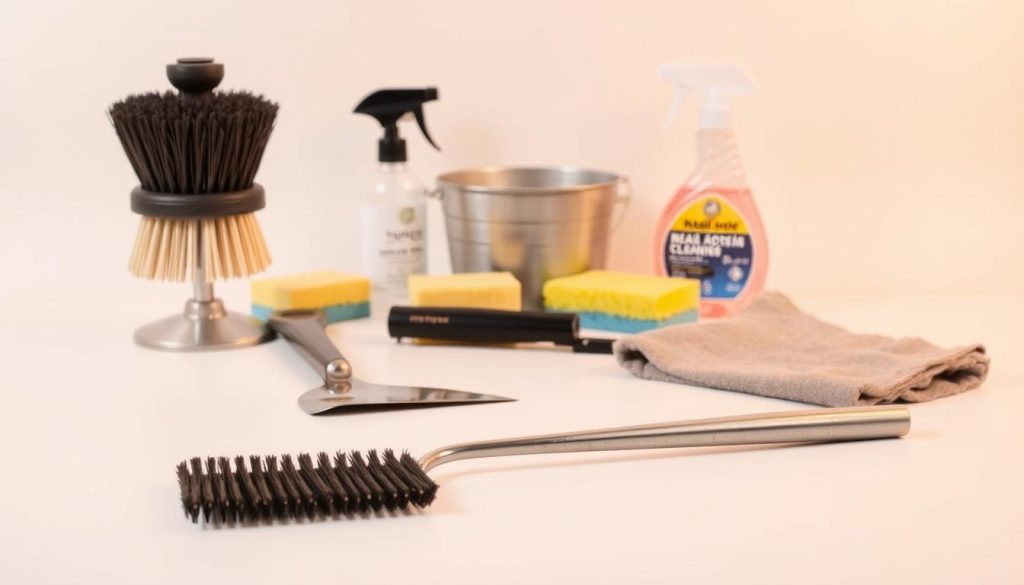
Gather all your kit before you begin so the job moves quickly and safely. ELFA Cleaning LTD recommends assembling everything in advance to avoid pauses and spills. Below are the essentials and helpful extras to have at hand.
Essentials:
- One vacuum cleaner with a brush attachment to lift settled dust and any loose debris.
- A long, flexible brush for deep channels and a small old toothbrush for tight gaps near valves.
- Microfibre cloths for dusting and drying plus a soft sponge for washing with warm soapy water.
- A bucket with mild detergent mixed in warm water and a separate bowl for rinsing to avoid spreading dirt back on the surface.
Helpful extras:
- Two or more towels and a drop cloth to protect flooring from drips and delivery of dirt.
- A hairdryer on the cool setting to blow dust from behind panels.
- A gentle white vinegar solution to buff metal finishes without streaks, and a stick with a taped cloth for a DIY cleaner in narrow gaps.
Before you start, place a tray or pan under the unit to catch any unexpected drips. Small preparation saves time and reduces mess, so lay everything out nearby.
Safety first: what to avoid and how to protect your heating and home
ELFA Cleaning LTD prioritises safety: switch off the heating and cut power at the mains before you touch any part of a unit. Make sure surfaces are cool to the touch to avoid scalds and electrical risk.
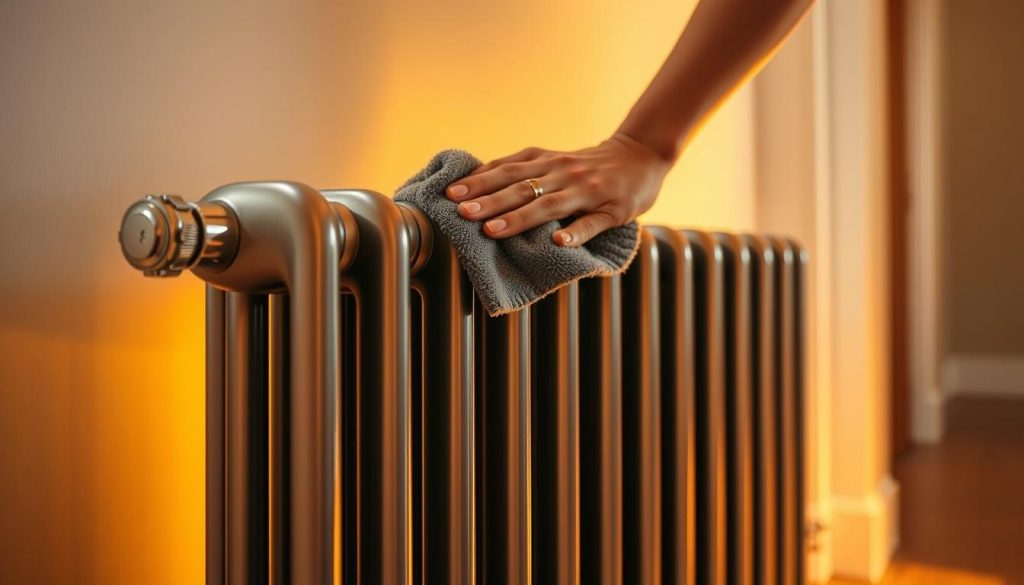
Turn off, cool down and unplug
For an electric radiator always unplug or isolate at the mains and set the thermostat to off. For a central system, allow time for water in the circuit to cool so you do not risk burns.
Avoid harsh chemicals and abrasive tools
Avoid bleach, Brillo pads or strong antibacterial aerosols. These items can strip paint, scratch metal and even create a fire risk when heat reappears.
Protect walls, skirting and flooring
Lay towels and a drop cloth beneath the unit. Tape wall edges if a lot of dust may fall. Keep water well away from live electrical parts and never spray liquid into vents.
| Risk | Why it matters | Safe action |
|---|---|---|
| Electrical shocks | Live parts can injure or cause short circuits | Isolate power, unplug electric radiator before work |
| Corrosion & scratches | Abrasives and bleach damage finishes over time | Use mild cleaner, soft brush or cloth only |
| Fire risk from aerosols | Chemicals can ignite when heated | Do not use antibacterial sprays on hot grills |
| Mess to walls & floor | Dust and water can stain paint or flooring | Protect with towels, work top-to-bottom, dispose of rinse water outside |
Pre-clean checklist to maximise efficiency and minimise mess
ELFA Cleaning LTD recommends a simple prep routine so the main job runs quicker and tidier.
Begin by isolating the unit and waiting until all surfaces are cool and still. This stops convection from drawing more dust through the structure as you work.
Dust removal strategy: blow out, brush through, vacuum up
First, use a hairdryer set to cool to blow out loose dust from behind and within. Cold airflow shifts particles without heating the metal.
Next, run a long flexible brush through channels to push loosened dirt and debris toward the floor. Work top-down and side-to-side to avoid missing hidden ledges.
Finally, vacuum at floor level and along the skirting with a slow, steady nozzle motion so fine dust is captured rather than released back into the room.
Make a DIY fin/column cleaner with a cloth on a stick
Wrap a microfibre cloth tightly around a long stick and secure with tape. Slide this between each column or fin to pull trapped dust clear.
Place towels and a drop cloth beneath the unit to catch falling particles and protect delicate floors. Finish with a soft brush around valves and brackets to remove stubborn pockets of debris.
- Power off and cool — allow time before starting.
- Blow out with a hairdryer on cool.
- Brush through channels; pull dust downward.
- Vacuum slowly at floor/skirting level.
- Use the cloth-on-stick for tight gaps; wipe valve areas.
| Step | Tool | Benefit |
|---|---|---|
| Blow out | Hairdryer (cool) | Removes loose dust from deep spaces |
| Brush through | Flexible radiator brush | Dislodges dirt toward the floor |
| Vacuum up | Vacuum nozzle | Collects debris and reduces airborne dust |
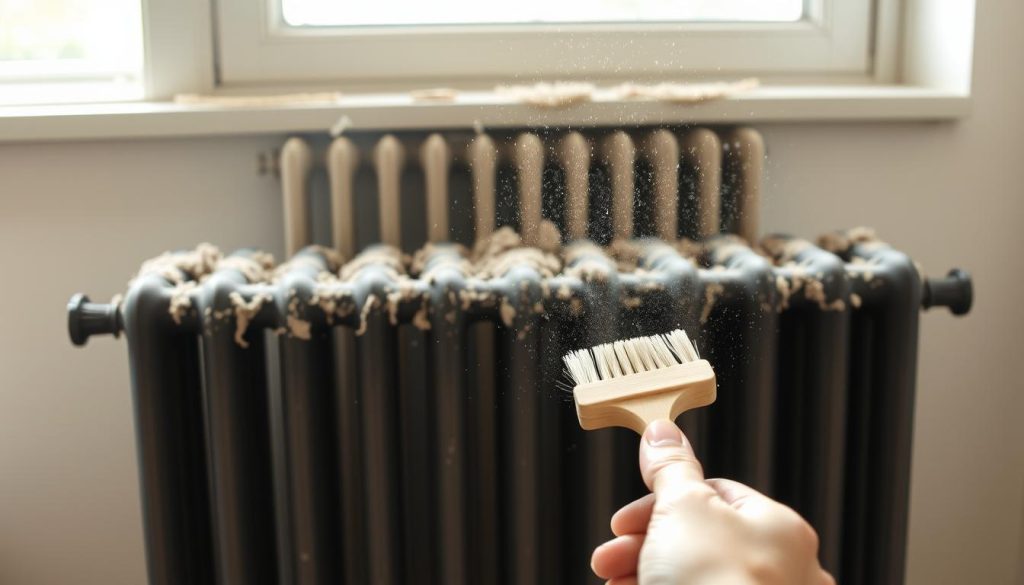
Step-by-step: towel radiators made spotless
ELFA Cleaning LTD recommends a gentle routine for bathroom towel rails that protects finishes and cuts rust risk in humid rooms.
Confirm the towel rail is at room temperature and safe to handle before proceeding. Start by removing loose dust with a soft microfibre cloth so you do not smear particles when washing.
Bathroom-friendly approach: tackle watermarks, fingerprints and rust prevention
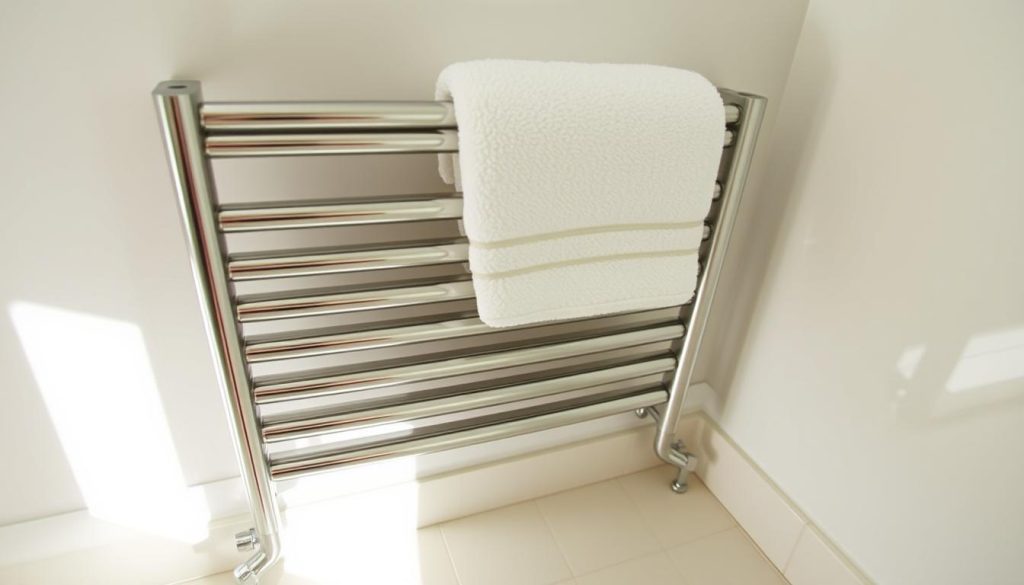
Tip: Use warm water with a drop of washing-up liquid for light stains. Rinse and dry straight away to avoid water spots and corrosion.
- Use a hairdryer on cool to blow dust from joins, catching debris on towels below.
- Mix warm water with a little washing-up liquid. Use a soft sponge to lift fingerprints and soap spray along each bar.
- For stubborn watermarks, rub gently with a damp microfibre cloth dipped in the same soapy water.
- Rinse with a clean, slightly damp cloth, then dry immediately with a fresh microfibre. Pay special attention to brackets and valve ends.
- Buff chrome finishes with light passes rather than hard scrubbing. Use a soft brush around connections to remove trapped dirt without scratching.
- Allow good ventilation so surfaces dry fast; only hang towels once the metal is fully dry.
Final step: perform this simple routine regularly to keep the unit bright and rust-free.
Step-by-step: column radiators and designer styles
Turn the system off, then wait until the surface is pleasantly cool so you can work safely.
ELFA Cleaning LTD recommends a gentle-but-thorough technique that preserves paint and finishes while improving heat delivery. Begin by vacuuming the exterior with a brush attachment to lift loose dust from faces and tops.
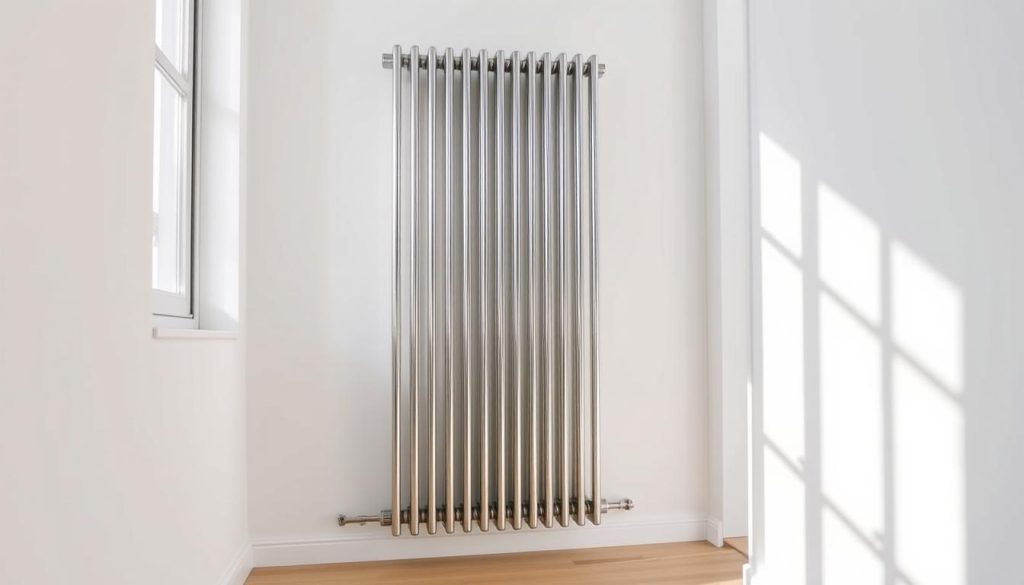
Between the columns: removing dust, dirt and debris for better heat delivery
Use a long, flexible brush to draw dust out from between each column without scuffing the surface. For very tight gaps, thread a microfibre cloth on a stick and pull it through like floss to lift stubborn grime.
Work in a top-to-bottom step pattern so loosened dust falls away from areas you have already treated. Next, dampen a well-wrung cloth in mild detergent and pass it along each column, then follow with a clean damp cloth to remove any film.
Use a toothbrush around brackets and at the base where debris collects, then vacuum the floor area to catch loosened particles. Rinse cloths often to avoid re-depositing dirt and finish with a careful dry to protect paint and designer profiles.
- Improve the clear air path between columns to boost heat delivery to the room.
- Check skirting and nearby walls for dust streaks left by convection.
- For a quick finish, lay a towel beneath and give a swift brush-through between full cleans.
| Action | Tool | Benefit |
|---|---|---|
| Exterior dust lift | Vacuum with brush | Removes loose dust without scratching |
| Between columns | Cloth-on-stick or flexible brush | Pulls trapped grime from tight gaps |
| Detail work | Toothbrush & damp cloth | Clears brackets and base debris |
| Final care | Dry microfibre | Prevents rust and preserves finish |
Step-by-step: cast iron radiators with intricate columns
Start by protecting surrounding paintwork and floors with towels and a drop cloth before you touch any ornate metalwork.
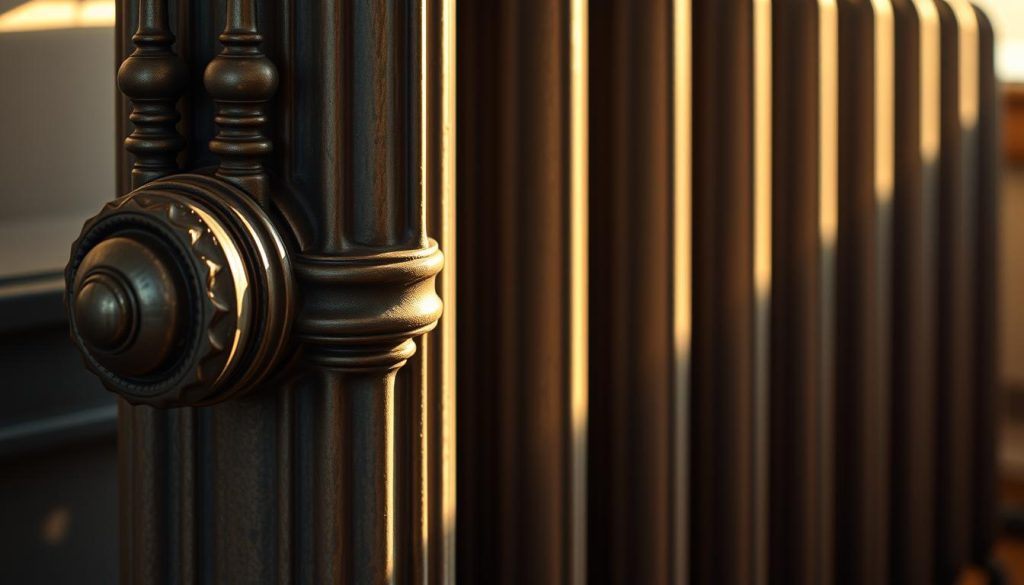
ELFA Cleaning LTD advises extra care around raised mouldings to preserve finishes while removing lodged dust and dirt.
- Vacuum slowly with a soft brush attachment to lift loose dust without scratching the column faces or ornate edges.
- Use a long, flexible radiator brush to reach between close-set sections where debris often hides.
- Thread a microfibre cloth on a stick and pull gently between each column to act like floss for fine dust.
- Where the finish allows, wash with a mild detergent on a lightly damp cloth, then dry immediately to avoid marking.
- For polished or bare-metal surfaces, skip water and use a clean lint-free cloth, following the grain to avoid streaks.
- Pay attention to feet and valve joins where dirt collects and can reduce heat output; keep strokes light on raised detail to avoid abrading paint.
- Check the wall behind the unit for streaks and remove any dust trails so convection does not redeposit debris.
Finish thoroughly: dry every surface so heat disperses properly when the system returns to service.
| Tool | Action | Benefit |
|---|---|---|
| Soft brush attachment | Vacuum exterior slowly | Removes loose dust without scratching ornate paintwork |
| Flexible radiator brush | Reach between close columns | Clears hidden debris that dulls heat transfer |
| Cloth-on-stick | Pull microfibre between sections | Dislodges fine dust from recesses |
| Light detergent & damp cloth | Spot wash safe areas | Removes grime while protecting finish; immediate drying prevents marks |
Step-by-step: electric radiators cleaned safely
Start by isolating power at the plug and thermostat, then let the unit cool before you touch any surface. This prevents shocks and avoids working on hot panels.
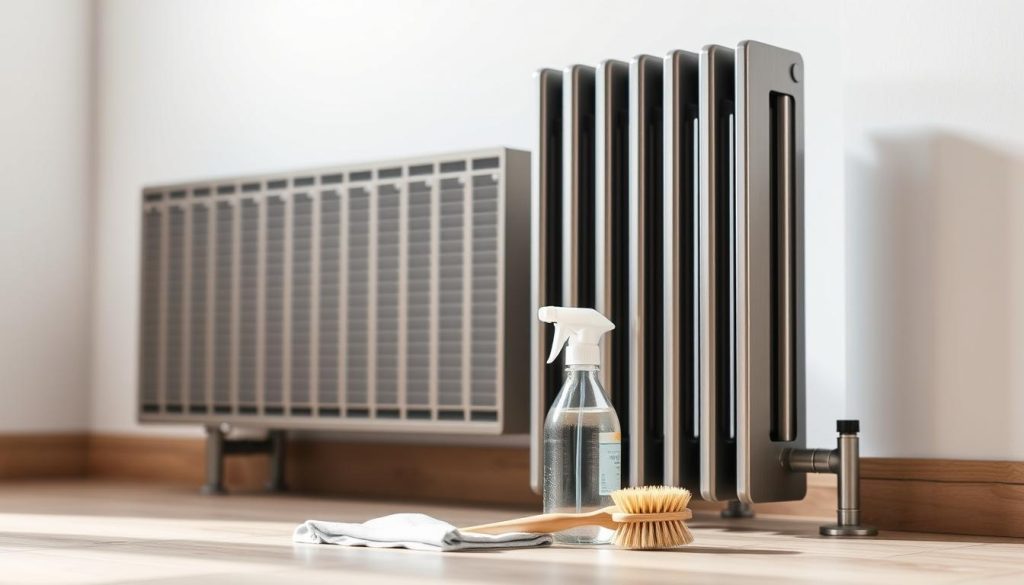
ELFA Cleaning LTD stresses safety: unplug at the mains and switch off the thermostat before any work. Check the cable and plug for nicks or heat marks; if you spot damage, seek a qualified electrician.
Use a vacuum with a soft brush attachment to lift dust from vents and crevices. Move slowly to avoid pushing particles deeper into the casing.
- Wring a microfibre cloth almost dry before passing it over smooth panels so no excess water enters seams or controls.
- For marks, apply a drop of washing-up liquid to the cloth rather than spraying products directly onto the unit.
- Use a soft sponge only on plain exterior areas; keep well away from ventilation slots and any electrical interfaces.
Dry every surface thoroughly, paying special attention to plugs, dials and the digital display. Reconnect power only when everything is fully dry, then test on a low setting to confirm normal operation.
Tip: Keep a little clearance around the heater so warm air flows freely and dust cannot settle in vents.
How to clean and wipe radiators with top grills and fins
Removing the grill and accessing internal fins helps restore full heat delivery and cuts dusty smells. Work slowly and follow each step so clips and panels remain undamaged. ELFA Cleaning LTD recommends careful removal and re-fitting to protect finishes and ensure the fins are fully clear.
Remove side panels and top grill the right way
Make sure the heater is cool and the room ventilated before you begin removing panels.
First step: hold each side panel at the top and bottom, push upward and lift away to expose the top grill.
Second step: lift the top grill off with both hands. On some models the grill hooks to a clip on a side panel, so unclip gently to avoid bending metal.
Clear internal fins: long duster, vacuum and damp cloth technique
Third step: run a long duster down through the fins to shift compacted dust so it falls where you can vacuum it up immediately.
Fourth step: use the vacuum with a brush head to collect loosened dust between passes so particles do not travel further inside the case.
If debris clings, use a lightly damp cloth or sponge, keeping water minimal and well away from wiring or controls.
Finish and reassemble: dry thoroughly and avoid sprays inside vents
Avoid spray cleaners inside vents — fine mists can linger and give odours when the unit heats up.
- Wipe the grill both sides and give front panels a quick pass so the surface looks even.
- Dry every part fully before refitting so heat rises cleanly through the fins without damp patches.
- Refit the top grill, then slide side panels down until they seat with a firm click; check clips align.
Tip: Restoring clear fins improves heat delivery and reduces the dusty smell the next time the heating is on.
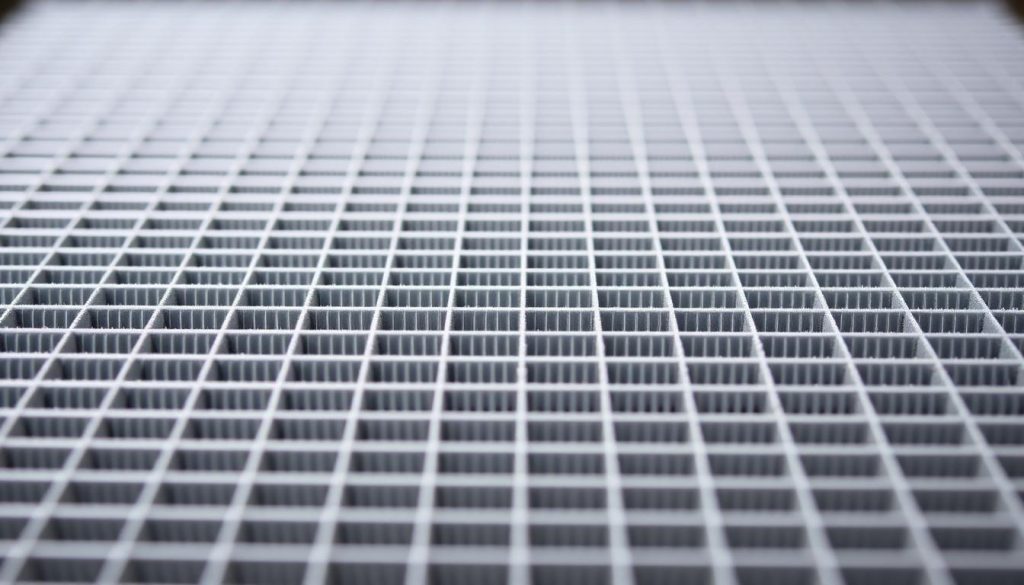
| Action | Tool | Benefit |
|---|---|---|
| Remove side panels | Hands; towel beneath | Access top grill safely without bending clips |
| Dust fins | Long duster | Shifts compacted dust toward the vacuum zone |
| Vacuum inside case | Vacuum with brush head | Collects particles quickly and prevents spread |
| Spot clean | Lightly damp cloth | Removes stubborn grime; avoids water near wiring |
Conclusion
A short, regular habit keeps a room warmer while saving energy over the year. A clean radiator surface and clear internal pathways mean home heating reaches the target temperature faster. Simple steps — a quick pass with a vacuum cleaner, a gentle brush between elements, a damp cloth or sponge with soapy water and a thorough dry — prevent cold spots and help efficiency.
Designer radiators and towel rails both benefit from careful, gentle methods that protect finishes. Removing top grills to clear fins restores performance, while small routine sessions cut the time spent on deep cleaning later.
If you prefer expert help, ELFA Cleaning LTD is available across the UK to handle full internal cleaning safely and return your heating to top form for the year.
FAQ
How often should I clean my radiators to keep heating efficient?
Aim to clean radiators twice a year — ideally before the heating season starts and again mid-winter. Regular attention removes dust, dirt and debris from fins and columns so heat moves into the room rather than being trapped. For homes with pets or heavy dust, check every three months.
What tools and materials do I need before I start?
Gather a vacuum cleaner with a narrow nozzle, a radiator brush or long duster, microfibre cloths, a sponge and a bowl of warm soapy water. Helpful extras include white vinegar for stubborn grime, an old toothbrush for crevices, towels to protect flooring and a hairdryer on cool to speed drying. These items make the task quicker and reduce risk to the heating system.
Is it safe to clean electric radiators myself?
Yes, provided you switch off and unplug the unit and allow it to cool fully. Avoid getting electrical components wet and never spray cleaners into vents. Use a dry brush and vacuum first, then a damp cloth only on external surfaces. If the heater has a sealed element or any damage, consult the manufacturer or a qualified electrician.
Can I use bleach or abrasive cleaners on designer or cast iron radiators?
No. Avoid bleach, harsh abrasives and antibacterial aerosols — they can corrode paint and metal and scratch delicate finishes. Use mild soapy water or a vinegar solution on painted or designer surfaces, and test a small area first. For cast iron, be gentle with scrubbing to preserve the finish and prevent rust.
How do I remove dust between columns or fins effectively?
Use a radiator brush, a cloth wrapped around a long stick or a narrow vacuum attachment to reach between columns. Brush or push debris towards the bottom and vacuum it up. For top grills and internal fins, remove panels if safe to do so, then clear with a long duster and damp cloth. Work methodically from top to bottom to avoid spreading dust.
What precautions protect skirting boards and floors during cleaning?
Lay down drop cloths or towels to catch falling dust and water. Move lightweight furniture away and put protective pads under heavier pieces. When using warm soapy water, wring cloths well to avoid drips. These simple steps reduce marks on walls and prevent water damage to flooring.
My radiator has watermarks or rust spots — how do I treat them?
For watermarks, clean the area with warm soapy water then dry thoroughly. Treat small rust spots by lightly rubbing with fine-grade wire wool, rinsing and applying a suitable touch-up paint for metal radiators. For larger corrosion or leaks, contact a heating engineer to inspect the system and advise on repair or replacement.
Will cleaning my radiators save me energy and reduce bills?
Yes. Removing dust and build-up improves convective heat flow so radiators reach room temperature faster and use less energy. Cleaner surfaces and clear fins help the boiler or electric heater work more efficiently, which can lower energy consumption and bills over a season.
How do I clean towel rails and bathroom-friendly radiators without damaging finishes?
Switch off the heating and cool the rail first. Use a soft microfibre cloth with warm soapy water to remove fingerprints and watermarks, then dry with a clean towel to prevent limescale marks. Avoid acidic cleaners on chrome or polished surfaces; use a specialist polish if needed for shine.
When should I call a professional rather than attempt DIY cleaning?
Seek a professional if you spot leaks, significant rust, damaged valves or if you must remove heavy panels and are unsure how to refit them. Also call a heating engineer if you find cold spots that suggest trapped air — bleeding the system sometimes requires experience to balance radiators and protect the boiler.