+44 1483 300827

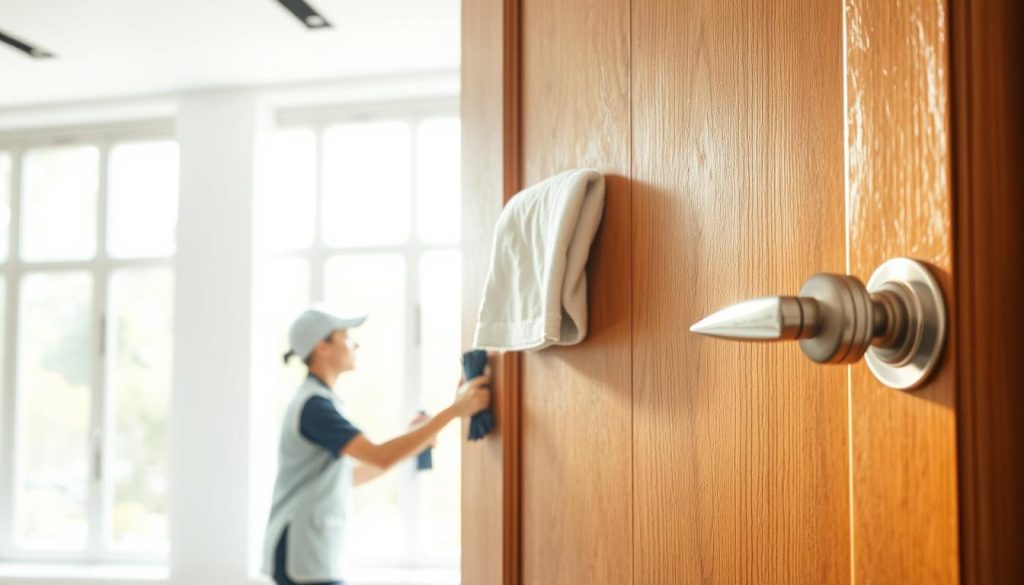
ELFA Cleaning LTD: Expertly clean and wipe doors, the door frames and the handle of the doors

December 10, 2025

· clean and wipe doors, the door frames and the handle of the doors

ELFA Cleaning LTD offers a practical, friendly guide to maintaining good-looking door surfaces across your home. This short introduction sets out a top-to-bottom routine that starts with dust removal to stop abrasive dirt from harming any finish.

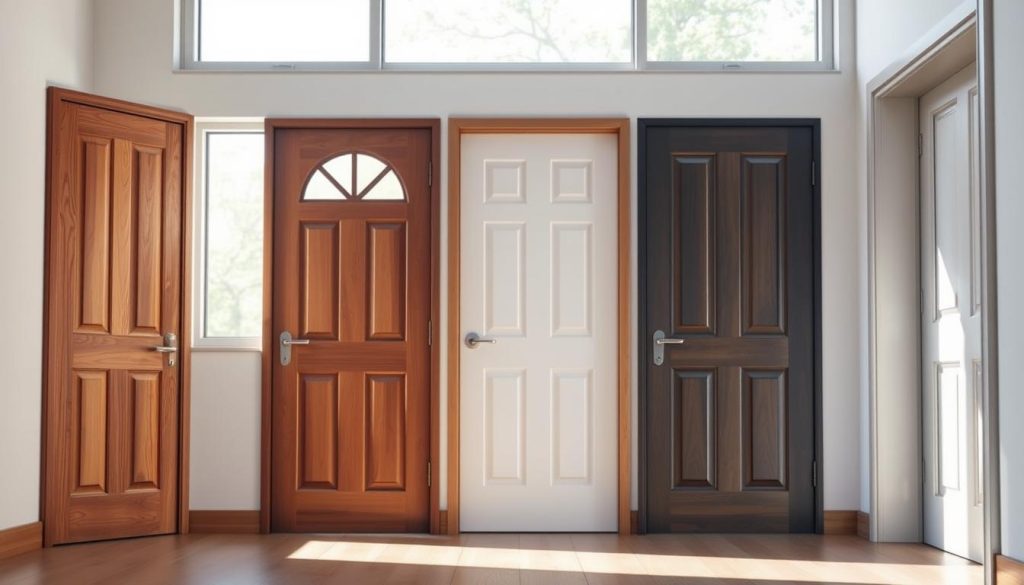
Our approach blends professional methods with safe household products. We explain how to choose the right way for timber, gloss or glazed panels and how simple habits can save years of wear.

Handles and door handles are a hygiene focal point. ELFA recommends a fortnightly wipe for high-touch areas and a careful, full dry to avoid streaks. For glass panels, distilled water with vinegar works well, followed by a quick buff.

Read on for clear toolkit guidance, tailored methods for internal doors and pro tips to keep every part looking its best between deeper sessions.

Key Takeaways

  • Start top to bottom to remove dust then loose dirt safely.
  • Use tailored methods for different finishes to protect the finish.
  • Wipe handles regularly — they are a small change with big impact.
  • Test solutions on a small area first and dry thoroughly.
  • Simple products like vinegar and a microfiber cloth give professional results.

Why a spotless door matters in your UK home

A spotless entrance sets the tone for any UK home, creating a clear sense of care. Visible surfaces shape first impressions and signal how a property is looked after.
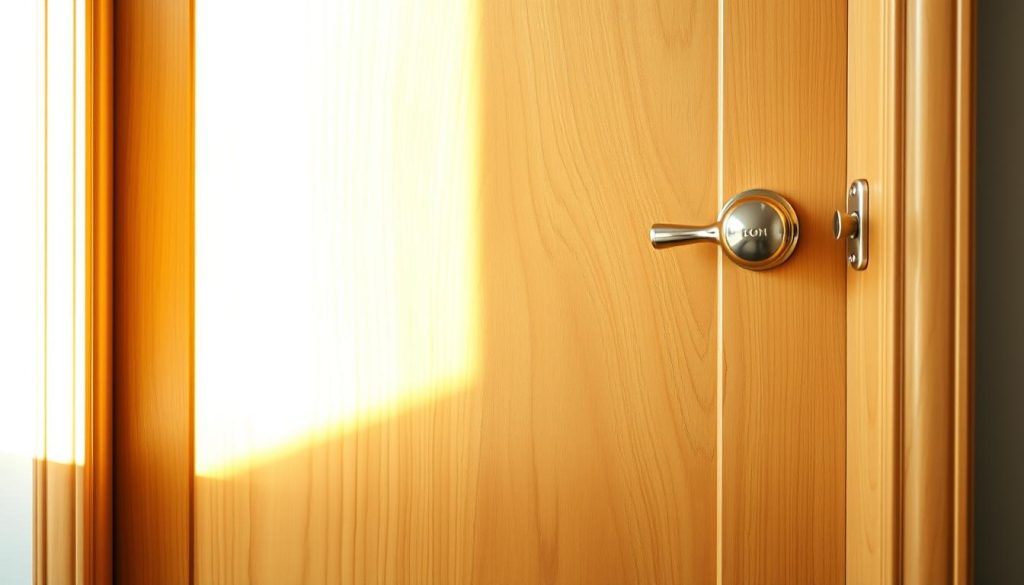
spotless door

First impressions and hygiene at high‑touch points

High‑touch areas attract fingerprints and grime quickly. Regular attention to panels, knobs and handles reduces germs and keeps guests at ease.

“Small, regular checks save time and prevent deep work later.”

White doors: keeping that crisp, contemporary look

White surfaces make rooms feel larger but show marks and stains fast. Tailor maintenance to usage: bathroom and kitchen entryways collect more dust, dirt and grime than quiet bedrooms.

  • Clean handles at least every fortnight; increase frequency in busy homes.
  • Patch test any product on paint before full use; acid-based mixes can harm finishes.
  • Make a quick visual check part of daily routines to spot new marks early.
Area Frequency Tip
Hallway panels Weekly Light dust then mild wash
Kitchen entry 2–3 times weekly Remove grease and grime promptly
Bedroom Biweekly Spot clean marks only

Tools and gentle solutions you’ll need

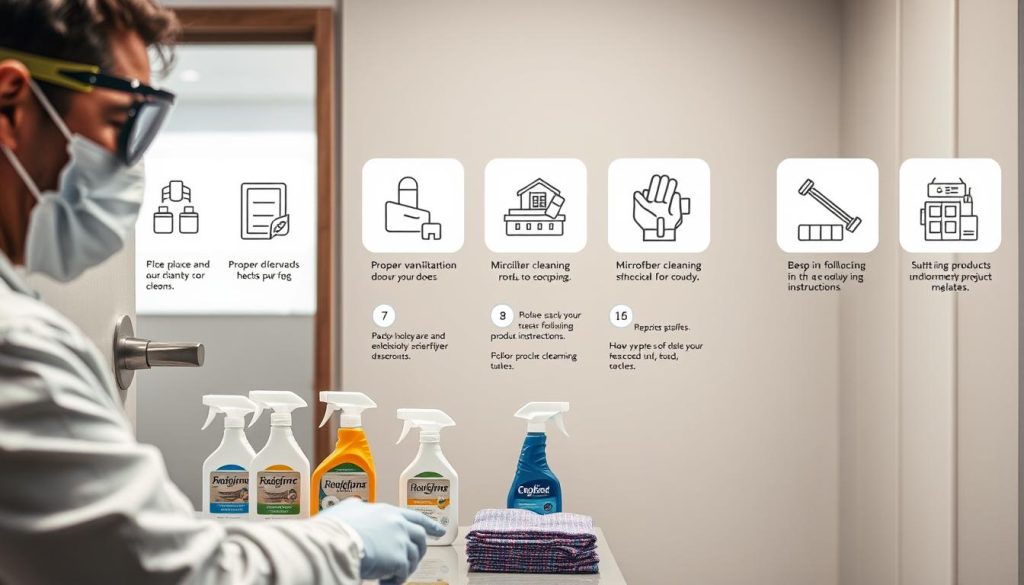
ELFA Cleaning LTD recommends a light‑touch kit that keeps finishes safe while shifting everyday grime. Gather soft tools and a mild mix before you start; that approach makes routine upkeep quick and effective.
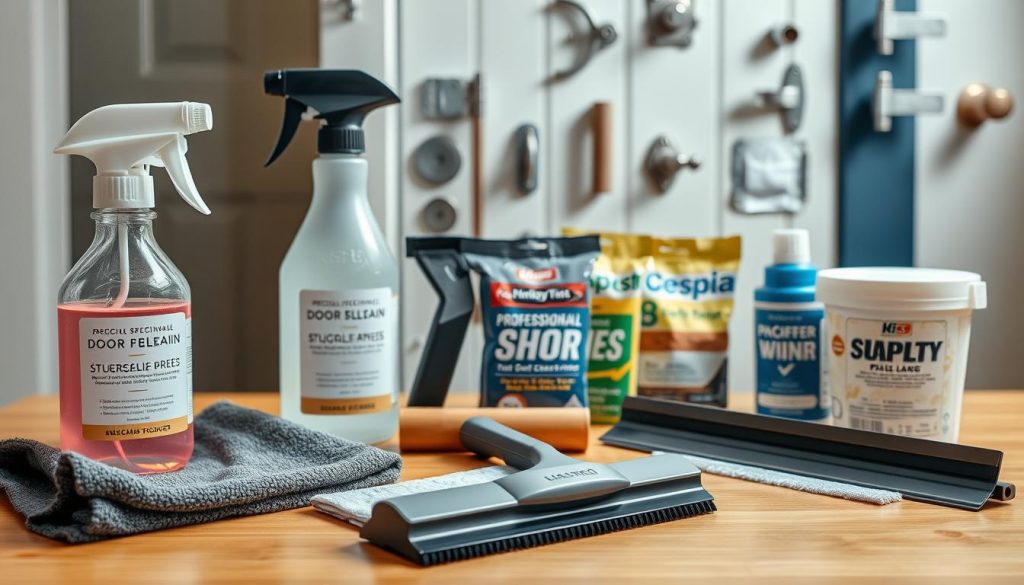
door tools and solutions

  • Soft microfibre cloth and a spare cloth for drying.
  • Soft sponges, a soft‑bristled brush and a bucket.
  • Chamois for a final buff; newspaper or a squeegee for glass panes.

Simple solution: warm water with a drop of mild dish soap lifts soil without harsh cleaners. Use a soft‑bristled brush on textured profiles or shallow grooves to free trapped dirt.

White vinegar is a targeted option for glass or stubborn smears. Dilute and patch test first on paint or varnish. For panes, use distilled water to avoid mineral spots, pull with paper or a squeegee, then buff with a chamois.

Most of this kit is inexpensive, reusable and easy to store. A light polish or wax can add protection to gloss finishes and make future maintenance a smaller part of your routine.

Safety first: patch testing and protecting finishes

ELFA Cleaning LTD advises testing any product before tackling an entire panel. Always trial a diluted solution on a discreet hinge‑side edge or low corner first. Watch for softening, colour lift or dulling of the finish.
door finish

Where to test on painted, primed and varnished surfaces

Pick an inconspicuous area and use a soft cloth with light pressure. Painted and primed surfaces vary; what works on one coat can haze another. A small test saves costly rework.

When vinegar may be too acidic for paintwork

Vinegar and white vinegar must be diluted for many paints. Dab, don’t scrub. If you see any change, rinse and stop.

  • Select a hidden spot on the hinge side or lower edge to trial a diluted solution.
  • Use gentle motions with a soft cloth to avoid burnishing a glossy patch into satin or matt.
  • Avoid strong detergents and abrasive pads, especially on moulded profiles where paint is thin.
  • Allow the test area to dry fully and take a photo to compare sheen before proceeding.

How to clean and wipe doors, the door frames and the handle of the doors

ELFA Cleaning LTD lays out a friendly, followable sequence that protects finishes while removing grit and daily grime. Start with a dry pass so washing won’t grind dirt into paint or varnish.
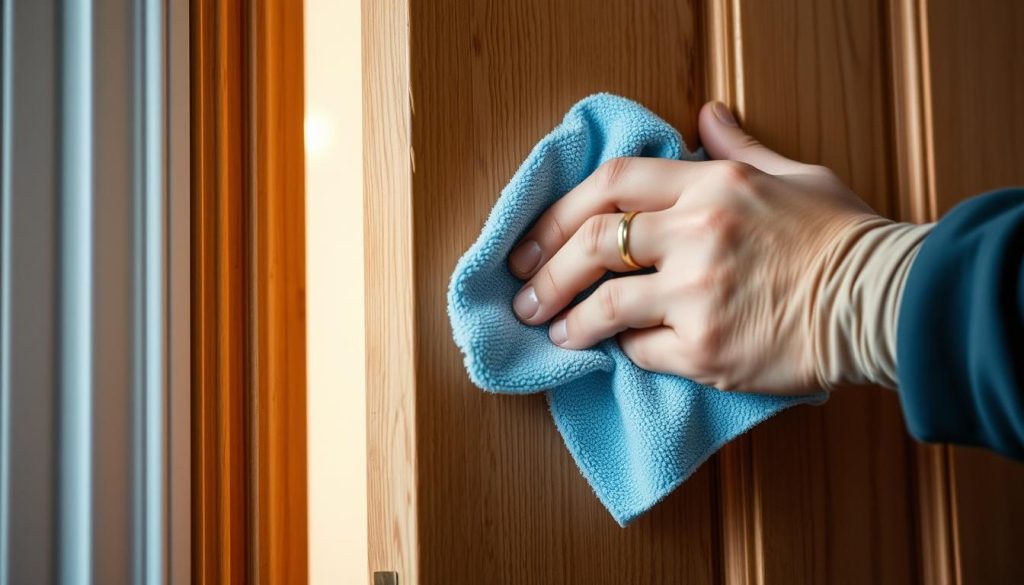
how to clean door

Step-by-step: dust, wash, rinse, dry to prevent streaks

Step 1: Dust from top to bottom to lift loose soil and dust.

Step 2: Mix warm water with a drop of dish soap. Work across the entire door in overlapping motions using a barely damp cloth or soft sponge.

Step 3: Rinse with clean water to remove any soap film, then dry door immediately with a soft cloth or heavy‑duty paper towel to avoid streaks.

Paying attention to edges, panels and hardware

Focus on panel recesses, hinge sides and edges where dirt collects. Place newspaper or a towel beneath to catch drips and protect flooring.

  • Include handles in the same sequence to remove oils and fingerprints.
  • For stubborn fingerprints, use the diluted washing‑up liquid mix, wipe off and buff lightly.
  • Finish with a final pass to check the surface for missed spots and ensure a uniform appearance.

Material-specific methods: wooden, painted and white gloss doors

ELFA Cleaning LTD provides tailored care so each surface keeps its look and lasts for years. Choose a gentle method that matches the material before you start.

Wooden care: gentle soap and careful drying

Begin by dusting. For wooden doors, use warm water with a drop of dish soap applied sparingly with a soft sponge.

Rinse lightly and dry with a microfibre cloth. Avoid saturating joints to prevent swelling and water marks.

Consider a light wood polish or re‑staining as part of longer‑term maintenance to protect the finish.

Painted surfaces: mild mixes and fingerprint removal

Patch test any solution on a hidden edge. Use the same mild soap mix to lift grime.

For fingerprints, a diluted washing‑up liquid applied gently will help. Avoid strong detergents that can soften paint.

Wipe along the grain or the longest panel dimension for a consistent sheen.

White gloss: clean, then add polish for glow

After washing and drying, apply a thin coat of suitable polish or wax to deepen shine and protect the surface.

Internal doors respond best to light, frequent attention rather than heavy scrubs. Keep tools simple: a soft cloth, clean water and a mild dish blend will handle most day‑to‑day cleaning.
wooden doors

“Match method to material and you protect both appearance and joints for years.”

Glass and frosted panels: streak‑free techniques

ELFA Cleaning LTD shares a favourite routine for glazed inserts that keeps surfaces bright with minimal effort. Clear glazing looks best when treated with low‑mineral water and gentle motion. Use careful, regular attention so marks and stains do not set.

glass door panels

Distilled water, vinegar dilution and a smooth pull

Mix a 1:1 water and vinegar solution and apply sparingly. Choose distilled water to prevent mineral spotting. Pull the liquid away using folded newspaper or a squeegee for an even finish.

Frosted surfaces and tough stains

For frosted inserts, a light soap wipe each day keeps texture fresh. For stubborn marks or metal stains, a cautious ammonia‑based cleaner can help. Always use a non‑abrasive pad and a lint‑free cloth to remove residues.

Detailing corners where panes meet frames

Work from top to bottom to avoid re‑soiling cleaned areas. Use a cotton bud to lift trapped grime at the meeting lines. Finish with a chamois or microfiber buff for a final polish.

  • Treat fingerprints quickly so they don’t harden.
  • Test any new solution on a small area first.
  • Keep passes light; avoid excess water near joins.

“A gentle, methodical pass makes streaks a thing of the past.”

Handles and knobs: cleaning and sanitising the right way

ELFA Cleaning LTD emphasises that hardware hygiene is central to whole‑door care. A brief routine reduces germ transfer without using harsh products.

Start with a dry microfibre pass. Use a microfiber cloth to remove loose debris before applying any liquids. This saves time and prevents grit from scratching finishes.

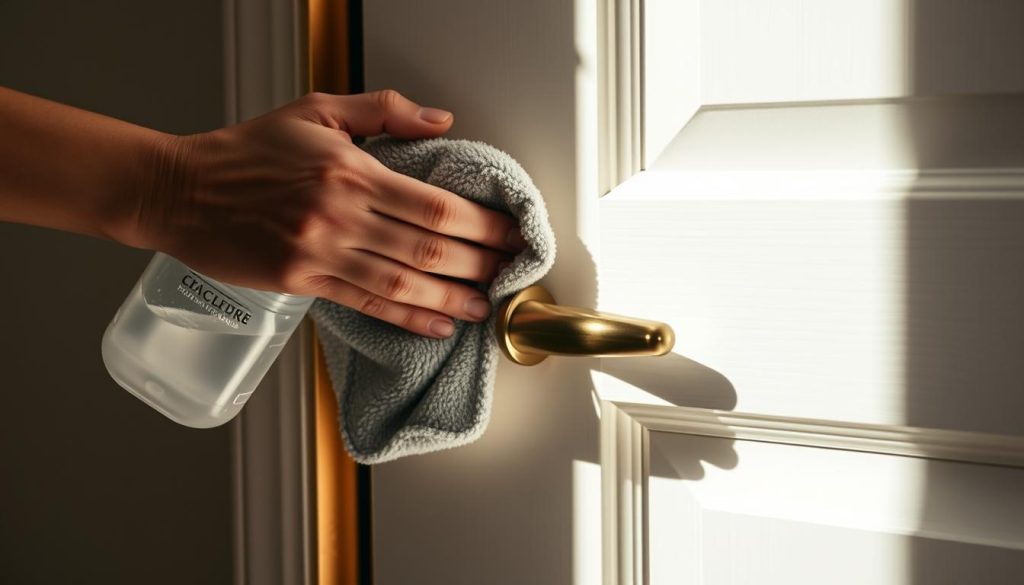
Apply a small amount of mild all‑purpose cleaners to a cloth rather than directly onto metal or electronic parts. This controls moisture near latch mechanisms and keeps electronics safe.

For sanitising, mist a 1:1 water and vinegar solution lightly, allow it to dwell for five minutes, then wipe and dry. This gives a safe, effective disinfectant action without strong chemicals.

Recommended frequency for high‑touch hygiene

  • Routine: clean handles at least every fortnight as standard maintenance.
  • Increase frequency during illness seasons or in busy households.
  • Include backplates, thumb‑turns and latch edges — these spots collect frequent touches and need attention.
  • Finish by drying to a streak‑free sheen so hardware looks cared for and adjacent doors do not show water spots.
handles

Task Method Frequency
Loose debris removal Dry microfiber cloth pass Weekly/Before liquids
Light cleaning Cleaner on cloth, gentle rub, rinse & dry Fortnightly
Disinfection 1:1 water:vinegar mist, 5 min dwell, wipe dry During illness or high use
Detail spots Cotton bud at backplate and latch edges Fortnightly or as needed

“Tend hardware often and you protect both hygiene and finish over time.”

Door frames, trim and skirting: the often‑missed areas

Those often‑overlooked borders around an opening collect dust and marks that age a room. ELFA Cleaning LTD encourages a whole‑assembly approach so frames, trim and skirting match freshly tended panels.
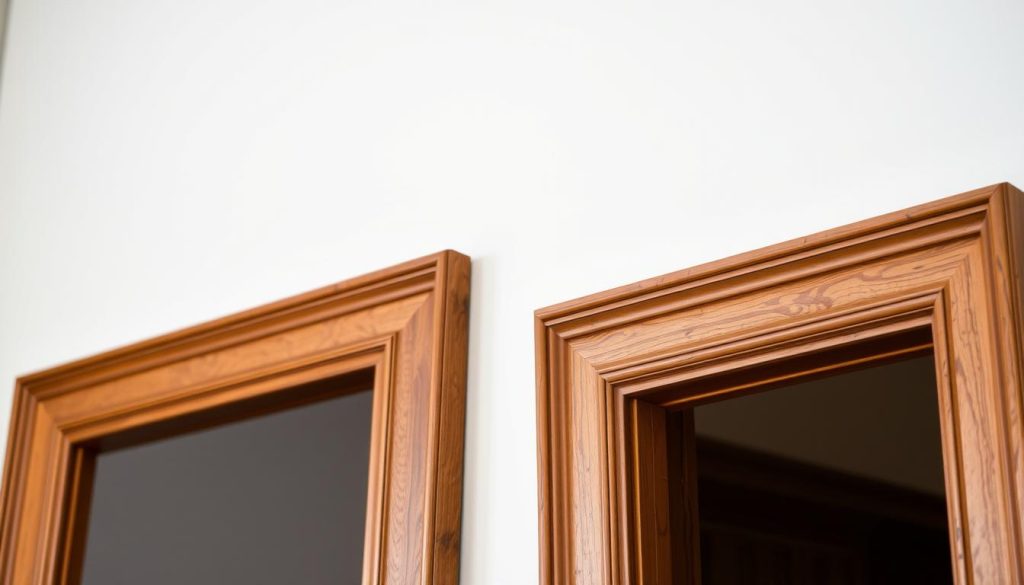
door frames

Dusting profiles and grooves before damp wiping

Begin at the top rail and architrave. Use a vacuum with a crevice tool or a soft brush to lift loose dust from profiles and grooves first.

This prevents dragging dirt across paint when you later use a damp cloth. Pay special attention to the latch side, hinge knuckles and cill lines where dirt builds up and marks nearby walls or doors.

Drying thoroughly to avoid moisture damage

Wash frames with warm water and a drop of mild soap, using a soft sponge and light strokes to preserve edges and caulk lines on internal doors with decorative profiles.

Always follow with a separate, dry cloth to remove water and prevent moisture from sitting in corners. Thorough drying reduces the risk of swelling, flaking paint or dull patches on timber and painted trim.

  • Lift dust before any wet pass to protect finishes.
  • Use a damp cloth with mild soapy water, then dry immediately.
  • Include frame checks in routine cleaning so trim stays fresh with your doors.

“Small, regular frame checks save time and preserve finishes.”

Troubleshooting marks, scuffs and yellowing over time

Minor marks and age spots often respond to simple, targeted remedies before you consider a full repaint. ELFA Cleaning LTD offers clear fixes that may need only a local touch rather than work on an entire door.
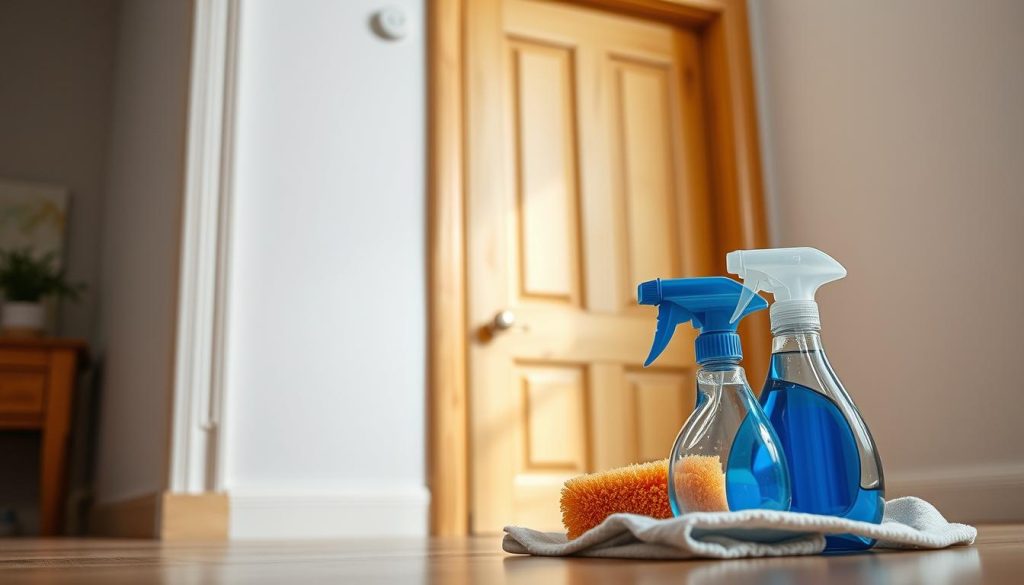
stain removal

Stain removal with baking soda and mineral spirits

For light yellowing, mix ½ cup baking soda with ¼ cup water to form a paste. Apply for five minutes, then wipe with a damp cloth and dry.

For embedded grime on wooden doors, dampen a cloth with mineral spirits and work a small area. Ventilate the room and patch test first.

Scuffs, scratches and spot repairs

Buff minor scuffs with a soft cloth and a small amount of polish. If marks persist, sand the smallest feasible area, then spot repaint with matched paint.

Why yellowing happens and simple remedies

Yellowing can come from moisture, tobacco smoke, heat sources or lack of sunlight. Severe discolouration may need repainting; apply a thin coat, follow drying times, then polish for a uniform look.

Issue Quick fix When to repaint
Light stains Baking soda paste; rinse & dry If repeat treatment fails
Embedded grime Mineral spirits on cloth; ventilate If finish is damaged
Deep yellowing Spot sand, coat with matched paint When overall look is uneven

“Tackle fresh marks quickly; a mild approach often restores the finish without affecting nearby areas.”

Conclusion

A simple regular rhythm of attention prevents wear and makes upkeep quick. Follow this concise guide to use gentle methods, soft cloths and clean water so a door and its surround keep a fresh look for years.

Key tips: dust first, work from the top down, patch test new solutions and dry each area promptly. Treat internal doors, frames and handles as one part of a whole routine for a uniform finish.

Keep a small caddy with a cloth, mild mix and gloves for quick touch‑ups. If you prefer a pro result or periodic deep work, contact ELFA Cleaning LTD — we offer expert help to protect your finish and keep your home looking cared for for years.

FAQ

How often should I clean high‑touch areas like handles and frames?

Aim to refresh handles, knobs and nearby trim at least once a week in busy households. In flu season or if someone is unwell, sanitise daily. Regular attention prevents grime build‑up and keeps hygiene levels high at key contact points.

What gentle solutions are safe for most painted and wooden finishes?

Use warm water with a few drops of mild dish soap for routine care. For spot cleaning, a diluted white vinegar mix works on many surfaces but always test first on an inconspicuous patch to protect paint and varnish.

How do I remove fingerprints and smudges without damaging a gloss finish?

Lightly dampen a microfibre cloth with warm soapy water, wipe in long strokes then buff dry with a clean cloth. For extra shine on gloss, finish with a specific polish designed for lacquered surfaces.

Is vinegar safe on painted doors and when should I avoid it?

Vinegar is useful for spot stains but can be too acidic for some paints and sealants. Avoid on newly painted or unsealed wood and always patch test for a minute to check for any dulling or lifting of the finish.

What’s the best way to clean glass or frosted panels without streaks?

Use distilled water mixed with a small amount of white vinegar, apply with a microfibre cloth or squeegee, then dry with crumpled newspaper or a dry microfibre for a streak‑free result. For frosted glass, mild soap and gentle scrubbing work well for daily upkeep.

How do I tackle scuffs and stubborn marks on painted doors?

Try a baking soda paste or a soft eraser for light scuffs. For deeper marks, gently rub with mineral spirits on a cloth, then spot paint if needed. Always work carefully and test any solvent first.

What tools should I have on hand for a thorough job?

Keep microfibre cloths, a soft sponge, a soft‑bristled brush for grooves, a chamois or lint‑free cloth, distilled water, mild dish soap and white vinegar. Optional extras include glass newspaper and a low‑odour polish or wax for protection.

How do I protect wooden doors from moisture after cleaning?

Dry surfaces thoroughly right after washing and avoid heavy saturation. Use a dry cloth to remove residual damp and apply a suitable wax or polish periodically to seal and protect the timber.

Where should I patch test cleaners before using them widely?

Test on an out‑of‑sight spot such as the inside edge near a hinge. Allow to dry and check for colour change, lifting or dulling before treating visible panels, trims or handles.

How can I prevent yellowing on white finishes over time?

Reduce exposure to sunlight, control humidity to prevent moisture staining, and clean regularly with non‑abrasive, pH‑neutral products. For aged yellowing, a specialist restoration product or repainting may be necessary.

What is the recommended method for sanitising metal hardware?

Wipe metal handles with a microfibre cloth dampened with a mild disinfectant suitable for metals, then dry immediately to prevent corrosion. Avoid bleach on brass or plated surfaces; use alcohol‑based solutions sparingly and rinse if required.

How do I deal with grime in profile grooves and panel edges?

Dust first with a soft brush, then use a damp microfibre or soft‑bristled brush to lift dirt from grooves. Rinse and ensure all areas are dried thoroughly to prevent moisture damage to timber and paint.

Article by Elfa Cleaning LTD

Welcome to ELFA Cleaning LTD, where the pursuit of cleanliness is not just a service; it’s a story of resilience, hard work, and the determination to turn humble beginnings into a thriving business.

Leave a comment

Clean and Wipe Doors, the Door Frames and the Handle of the Doors – ELFA Cleaning LTD

August 18, 2025

· clean and wipe doors, the door frames and the handle of the doors

ELFA Cleaning LTD offers a friendly, professional guide for UK homes that shows a sensible way to care for every interior door so it keeps looking fresh.

Start by dusting to remove loose grit. That prevents scratches and makes washing quicker. Patch test any mild mix on a hidden area to make sure finishes stay intact, especially on painted or gloss surfaces.

Lay newspaper beneath the area to catch drips and work from top to bottom. Spray a gentle solution, use a sponge then a soft cloth to dry. Drying stops marks and helps timber resist swelling.

Handles need attention more often; add a short disinfecting step at least every two weeks to reduce germs. Busy hallways show dirt faster while bedroom units need less time. ELFA Cleaning LTD’s advice aims to preserve finishes for many years and to reverse early yellowing of white surfaces.

Key Takeaways

  • Begin with dust removal to avoid scratches.
  • Patch test solutions to protect paint and gloss.
  • Work top to bottom with newspaper to catch drips.
  • Dry surfaces with a soft cloth to prevent marks and swelling.
  • Sanitise handles regularly; aim for fortnightly attention.

What you’ll need: simple, safe cleaning kit for spotless doors

A simple, well-chosen kit saves time and keeps finishes looking fresh. ELFA Cleaning LTD recommends gentle tools and mild mixes so you remove marks without harming surfaces or handles. Start with a minimal set and add boosters only when needed.

microfiber cloth

Essentials

Core kit: a microfiber cloth and a soft sponge paired with warm water and a drop of mild dish soap. This mild cleaning solution suits most wooden doors and painted finishes.

Power-ups

  • White vinegar and baking soda for yellowing whites or greasy marks.
  • Mineral spirits for occasional hard, oily stains on timber—use sparingly with ventilation and a clean cloth.
  • Glass cleaner for glazed panels; finish with a chamois or newspaper to avoid lint.

Nice-to-haves

A spray bottle helps apply solution evenly and limits water near hinges and thresholds. A soft-bristle brush lifts dirt from mouldings and hardware. Keep a hoover handy to clear uPVC runners and avoid grit that can scratch.

Tip: one part to one part mixes are useful for glass, but for most doors a small amount of soap in water is enough. Assemble this kit once and you’ll save time on every clean while protecting finishes—advice backed by ELFA Cleaning LTD.

Quick-start method: the fastest way to clean a door from top to bottom

Follow a simple, swift routine to refresh surfaces with minimal fuss. ELFA Cleaning LTD’s professional process focuses on safe steps that save time and keep finishes intact.

Dust and de-web

Begin at the top so loosened debris falls away and won’t re-soil lower panels. Use a dry cloth to lift grit from panels, hinges and mouldings before any water is introduced.

Mix and test

Mix a mild soap solution and patch-test on an inconspicuous spot to make sure paint or varnish will not react. Add a splash of vinegar only when yellowing needs attention.

Wash, rinse, dry

Place newspaper beneath the edge to catch drips. Spray or apply the solution with a sponge, work in straight passes, then rinse the cloth often so dirt is not spread back.

Pro tip

Finish by drying with a microfiber cloth to avoid water spots. One quick step like this keeps many doors tidy between deeper seasonal cleaning.

quick-start door cleaning

“A short, top-to-bottom routine prevents repeat work and preserves finishes.”

How to clean wooden doors without damaging the finish

Begin with a dry dust to lift loose grit from mouldings before any moisture touches the timber. ELFA Cleaning LTD recommends a gentle, timber-safe routine to keep wooden doors looking fresh for many years.

wooden doors

Everyday clean: mix warm water with a small amount of dish soap

Mix warm water with a little dish soap to form a mild solution. Use a lightly wrung cloth so excess water cannot soak joints or grain.

Stained or varnished timber

For stained or varnished timber, wipe gently with the soapy mix, rinse the cloth often, then go over with clean water. Dry thoroughly with a microfibre cloth to protect finish and timber.

Painted wood

For painted surfaces use the same mild approach. Go easy with vinegar and always patch-test an unseen area first to avoid dulling sheen.

  • For stubborn, oily marks, apply a small amount of mineral spirits to a clean cloth and work locally with good ventilation.
  • If sheen looks flat, a light polish or wax may restore lustre—apply sparingly and buff.

ELFA Cleaning LTD: a calm, methodical routine keeps finishes stable and attractive for many years.

Painted and white gloss doors: fingerprints, yellowing and shine

A quick, mild wash revives painted panels without risking sheen or colour. ELFA Cleaning LTD recommends gentle steps that save time and extend good looks over years.

painted door gloss

Remove fingerprints the easy way

Mix one tablespoon of mild washing-up liquid in a gallon of warm water. Use a soft cloth to work the solution on and then rinse with clean water.

Tip: keep a separate cloth for areas around handles to avoid moving oils back onto fresher panels.

Tackle yellowing

Make a baking soda paste with a small amount of water. Apply gently and leave for five minutes, then wipe away residue and dry to see improvement.

If discoloration is deep, repainting may be the only way to fully remove stains and restore an even white.

Finish for gloss

Rinse all soap residue so no sticky film remains. Finish with a light polish or suitable wax for a rich, even glow that won’t feel greasy.

  • Use white vinegar as an occasional helper, but patch-test first; some finishes react.
  • Less is more: use a small amount of product and allow time to dry before buffing.

Doors with glass and frosted panels: streak-free clarity every time

Use a distilled mix to prevent faint rings and keep panes sparkling in natural light. Start with distilled water to avoid mineral spots that show when glazing dries. Prepare a one to one mix: one part vinegar and one part water for general glass care.

glass cleaner

Low-lint tools work best. Swap paper towels for newspaper or a microfibre cloth to reduce fibres and get a crisper finish along wider panes. Work from the top down so any runs are captured as you go.

  • Control solution with a sponge or folded cloth at pane edges.
  • Detail corners and where panes meet trim with a cotton bud.
  • Buff dry with a chamois to lift final moisture and reveal streak-free clarity.

For frosted panels, use a mild soap solution for daily attention. For metal marks or stubborn residues, apply an ammonia-based glass cleaner to a cloth and treat gently. Keep any solution off timber or painted trim; if contact occurs, dab immediately with a damp cloth then dry.

Pane type Routine Best tool
Clear glazing Distilled water + vinegar 1:1; buff with chamois Microfibre cloth
Frosted glass Daily mild soap; ammonia for heavy metal marks Sponge for surface, cotton bud for edges
Multi-pane units Work top to bottom; finish with glass cleaner if desired Newspaper or chamois

“ELFA Cleaning LTD’s method uses low-lint tools and balanced solutions to keep glazing pristine without harsh scrubbing.”

uPVC and external doors: frames, runners and locks that work smoothly

Tackle PVC exteriors first, descending in steady strokes so loosened dirt drops clear of fresh surfaces. This approach helps prevent re-soiling and keeps routine maintenance quick.

external doors

Frame first: top-to-bottom then hoover runners

Use a damp cloth and work from high to low across the frame. Open the unit to reach inner edges and thresholds.

Hoover runners to remove grit and debris that can jam tracks or scratch seals.

Locks and mechanisms: light attention with a small spray

Check hinges, keeps and locking points for build-up. Wipe metal parts, then give moving parts a short spray of WD-40 to keep action smooth.

Mould and mildew: a gentle acidic boost

Add a little white vinegar to a mild solution when you spot mould. Rinse with clean water and dry around gaskets so seals stay effective.

  • Avoid abrasives: scouring pads and harsh chemicals can dull uPVC.
  • Handles: treat with a mild mix, then buff dry.
  • Glazing: finish with microfibre and a glass cleaner for a streak-free shine.
Task Action Why it matters
Frame Top-to-bottom cloth, rinse with water, dry Prevents streaks, extends seal life
Runners Hoover out grit, check threshold Reduces jams, avoids scratches
Locks Wipe, small WD-40 spray Keeps mechanism reliable

ELFA Cleaning LTD: little-and-often maintenance stops small weathering issues becoming bigger problems.

How to clean and wipe doors, the door frames and the handle of the doors

Gently clear away dry debris from all mouldings before you introduce any liquid. This prepares surfaces so a mild cleaning solution works faster and risks less wear.

door frame

Doors: dust, mild wash, rinse, dry to a streak-free finish

Dust first to lift grit from panels and edges. Test a small amount of soap mixed with water on an unseen spot to make sure finishes stay safe.

Work in neat sections with newspaper at the base, apply the soapy mix, rinse with clean water and dry door surfaces with a soft cloth for a streak-free result.

Door frames: wipe, wash with soap solution, dry with a separate cloth

Frames are often missed. Hoover or dust top ledges, then wash using the same gentle soap mix.

Use a different cloth to dry frames so you do not transfer residue back onto fresh surfaces.

Handles: clean then disinfect; consider lemon and baking soda for stains

Clean door handles with a mild soapy cloth, rinse and dry, then disinfect. Repeat this at least fortnightly for good hygiene.

For stained metal, a lemon plus baking soda paste can lift marks; patch-test first, buff to finish and check mechanisms. If a latch feels stiff, address the escutcheon and use a locksmith-approved lubricant separately.

“ELFA Cleaning LTD’s whole-door routine keeps surfaces bright and high-touch areas hygienic with minimal fuss.”

Stains, scuffs and stubborn marks: the right solution for each problem

Start by identifying whether a mark is grease, pigment or surface scuff. That first step helps you pick a targeted, finish-safe remedy and reduces needless work on surrounding panels.

remove stains

Baking soda paste for ingrained grime

For everyday grime, make a paste from baking soda and a little water. Rub gently with a soft cloth so you lift dirt without abrading the surface.

Mineral spirits for hard oily marks

On timber, a small amount of mineral spirits on a clean cloth can remove hard, oily stains. Ventilate the room, test on an unseen spot, then wipe off and dry.

Paint touch-ups and sanding

Deep scuffs may need light sanding around the mark, then a spot-restoration with a matching paint. Work in thin layers so the finish blends.

  • Use polish or wax for shallow scuffs on stained or varnished wood before sanding.
  • Avoid strong detergents that strip paint; always rinse with water and dry thoroughly to prevent swelling.
  • Keep cloths clean so loosened dirt doesn’t redeposit along flat surfaces.

ELFA Cleaning LTD recommends measured, step-by-step treatments. You may need a second light pass rather than one aggressive action to protect finishes and keep doors looking their best.

Safety, frequency and smart product use

safety advice

Set a simple timetable for upkeep so busier rooms get attention more often.

High-traffic areas benefit from regular attention; quieter rooms need less. Make sure to give handles a short hygiene pass at least every fortnight.

Patch-test acidic mixes such as vinegar on a hidden area before use. This helps prevent dulling or etching on sensitive coatings.

  • Set zones by use: more frequent care for halls, less for spare rooms.
  • Avoid abrasive pads and harsh chemicals on painted or uPVC surfaces to protect finishes for years.
  • Use a small spray of lubricant like WD-40 on locks only; keep it off paint and timber.

Keep ventilation when using stronger solvents or ammonia-based cleaners. Label containers clearly and mix fresh to keep a solution effective and safe.

Area Action Why it matters
High-traffic door Quick check, mild soap, dry Prevents marks and reduces long-term wear
Handles & locks Fortnightly disinfect, small spray lubricant Stops germ build-up and keeps mechanisms working
Painted or white surfaces Patch-test vinegar, avoid abrasives Reduces yellowing from moisture, smoke or heat

“If unsure, start with mild soap and water; you may need stronger care later.”

Conclusion

Take one last tour around each room to ensure panels, frames and fittings are dry and spotless. Start at the top, dust first, test any solution on a hidden area, then place newspaper beneath to catch drips.

Simple recipes work best. Mix warm water with a drop of dish soap for most surfaces. For glazing use a solution one part water to one part white vinegar, then finish with a glass cleaner for sparkle.

ELFA Cleaning LTD recommends fortnightly attention to door handles, routine hoovering of runners, and an occasional light spray of WD-40 on locks. Use baking soda for yellowing and mineral spirits only for tough oily stains on timber. Follow this process to keep each clean door looking its best.

FAQ

What kit do I need for a simple, safe door clean?

Essentials are a few microfibre cloths, a soft sponge, warm water and a mild dish soap. Power-ups you might add are white vinegar, baking soda, mineral spirits for oily stains, glass cleaner and a polish or wax for sheen. A spray bottle, soft-bristle brush, chamois and a hoover are handy extras.

How do I start a quick door clean from top to bottom?

Begin by dusting and removing cobwebs from the top. Mix a mild soap solution and patch-test on an inconspicuous area. Wash from top to bottom, rinse with clean water and dry each section to avoid drip marks. Place newspaper beneath the door to catch any drips if needed.

What’s the safest method for wooden doors so the finish lasts?

Use warm water with a small amount of dish soap for everyday cleaning. Gently wipe stains, dry thoroughly and, if desired, apply a suitable wood polish. For varnished timber treat gently and avoid strong solvents unless recommended for that finish.

How should I treat painted or gloss doors to remove fingerprints and yellowing?

For fingerprints use a mild washing-up liquid in warm water. For yellowing try a baking soda paste, then wipe and dry. Finish gloss doors with a compatible polish or wax to even out the shine, and always patch-test first.

What gives streak-free results on glass and frosted panels?

Use distilled water or a one-part water, one-part vinegar solution. Clean with newspaper or microfibre to avoid lint, then buff with a chamois. For frosted glass use a mild soapy wash daily; tougher metal marks can be treated with an ammonia-based cleaner, tested first.

How do I maintain uPVC and external doors, including runners and locks?

Wipe frames top to bottom, hoover out runners, then lubricate moving parts sparingly. Use a light spray of WD-40 on locks and mechanisms if they stick. For mould or mildew add some white vinegar to your cleaning mix and avoid abrasive pads on uPVC.

What is the best method for door frames and handles?

Wipe frames with a separate cloth, wash with a mild soap solution and dry to prevent marks. Clean handles first, then disinfect. For stubborn stains on metal try a lemon and baking soda mix, applied gently and rinsed off.

How do I remove tough stains, scuffs or oily marks?

A baking soda paste works well on grime and scuffs. For hard, oily stains use mineral spirits sparingly and only on finishes that tolerate solvents. For deep paint scuffs sand lightly and touch up; always protect timber by avoiding harsh detergents and drying fully.

Are there safety steps and frequency recommendations I should follow?

Always patch-test acidic or solvent-based solutions and avoid abrasives on painted or uPVC surfaces. Clean high-touch areas, like handles, regularly and perform a deeper clean every few months depending on use and exposure.

Article by Elfa Cleaning LTD

Welcome to ELFA Cleaning LTD, where the pursuit of cleanliness is not just a service; it’s a story of resilience, hard work, and the determination to turn humble beginnings into a thriving business.

Leave a comment

Clean and Wipe Doors, the Door Frames and the Handle of the Doors with ELFA Cleaning LTD

August 18, 2025

· clean and wipe doors, the door frames and the handle of the doors

This guide is brought to you by ELFA Cleaning LTD and sets out a friendly, professional approach to keeping your interiors bright and long‑lasting.

Internal glazed doors are prized for the way they let light flow through a home and suit many a design. Frames often use solid or engineered wood, while glass is clear or frosted and usually tempered for safety.

Regular maintenance preserves clarity, reduces grime build‑up and helps things look newer for years. We show simple, reliable methods for glass, wood and metal so results feel professional with little fuss.

Practical tips include applying solutions to a cloth rather than spraying directly, working top to bottom to control dust, and using silicone‑based lubricants for hinges to avoid attracting dust.

Key Takeaways

  • Follow a step‑by‑step guide to keep rooms brighter and fresher with minimal effort.
  • Use mild soap for frames, a vinegar mix for glass and lint‑free cloths for a streak‑free result.
  • Apply product to a cloth, not straight onto surfaces, to protect joins and finishes.
  • Maintain hardware with non‑abrasive polish and silicone lubricant for reliable operation.
  • Adopt a simple checklist to make maintenance effortless and extend service life for years.

Why a clean door matters: light, looks and longevity for your internal doors

A well-kept interior entrance can change how light moves through a house and lift the whole room.

Glazed internal doors let natural light travel between rooms, improving mood and the sense of space. Bright glazing also reduces the need for extra lamps during the day, saving time and energy.

ELFA Cleaning LTD emphasises simple care routines that protect your investment. Regular attention prevents grime from etching finishes and keeps glass clear so your design choice stays striking.

Small maintenance actions, such as tightening hinges and cleaning hardware, stop tiny faults from growing into costly faults over the years come. These tips preserve alignment and ensure smooth operation.

internal doors light

  • Better natural light makes rooms feel larger and more welcoming.
  • A neat finish improves the overall look visitors notice at once.
  • Little-and-often care helps maintain appearance without heavy work later.

What you’ll need and how to prepare before you start

Gathering the right kit and protecting the area will save time and avoid damage.

Essential tools

  • One damp cloth and a spare lint-free cloth for drying.
  • A soft brush for dusting, a bucket of warm water with a little mild soap, and a small bottle of white vinegar for glass.
  • Good lighting and a sheet or towels to protect floors so you can spot marks easily.

damp cloth

Safe solutions and spot testing

Choose gentle products and always spot test any solution on an inconspicuous area. This prevents lifting or lightening of painted or veneered finishes.

Prepare the space

Start by removing loose dust with a microfibre or vacuum brush to stop grit smearing when you use a wet cloth.

“ELFA Cleaning LTD recommends preparing tools in advance to streamline your session and avoid unnecessary trips mid‑clean.”

Surface Recommended mix Key caution
Frames (wood) Mild soap in warm water Wrung-out cloth; avoid saturation
Glass panels Water and white vinegar in a spray-on-cloth Do not spray directly onto seals
Engineered or composite Mild products, minimal moisture Spot test for veneer type

How to clean and wipe doors, the door frames and the handle of the doors

Methodical passes from top to bottom prevent grit from settling back on cleaned areas.

Start by removing loose dust. Use a microfibre cloth or vacuum brush to lift debris from the top rail down. This saves time and protects every finish.

cleaning doors

Wet passes for the main surface

Use a lightly damp cloth with warm water and a drop of mild soap. Work in long, even strokes that overlap to avoid tide lines.

Rinse and wring the cloth often so you lift grime rather than spread it. Fold the cloth to present a fresh face as you go.

Detailing edges, hardware and rebates

Run a smaller cloth into rebates and hinge areas. Clean around escutcheons carefully and avoid flooding mechanisms.

Check screws and tighten where needed. Use a silicone lubricant on hinges to keep movement smooth without attracting dust.

Drying and final checks

Buff each panel with a clean, lint-free cloth to leave a consistent finish. Timber must be dried immediately to prevent warping.

  1. Work top to bottom so debris does not resettle.
  2. Finish each section before moving on to the entire door.
  3. Inspect closing edges and the head for marks in angled light.
Step Action Why it matters
Dust first Microfibre or brush attachment Prevents grit scratching finishes
Wet clean Warm water + mild soap on a wrung cloth Removes surface grime without saturation
Dry Lint-free cloth buff Stops water marks and warping

“ELFA Cleaning LTD advises methodical, top-to-bottom passes to speed up the process and protect every finish properly.”

Handles and daily-touch areas: hygiene, shine and stain removal

Handles see frequent contact; a short routine keeps marks at bay while protecting finishes.

handles

Disinfecting high-touch fittings without harming finishes. Always apply a chosen solution to a cloth rather than spraying straight onto metal or seals. This prevents seepage into mechanisms and reduces risk to coatings.

When a disinfectant is needed, pick one stated as compatible with plated or coated hardware and test on a discreet spot. If clouding appears, stop and select an alternative product.

Polishing stainless, brass and coated hardware

Use non-abrasive polish for stainless or brass to restore lustre. Buff gently to avoid halos or marks on surrounding paint or veneer.

  • Start with a mild mix; a trace of white vinegar can cut through skin oils—follow with a fresh water wipe to protect the finish.
  • Avoid scrubbing pads or powders that score plated surfaces; a soft cloth and circular strokes work best.
  • Check fixings while you work; a small turn on loose screws prevents wobble that can harm the door over time.
  • Use a soft brush to clear crevices before your final buff so the area looks uniformly neat.

ELFA Cleaning LTD recommends short, regular attention to hardware. This keeps fittings hygienic, preserves appearance and extends service life without heavy effort.

Care by door material: wood, engineered wood, uPVC and aluminium

Match your method to the material so finishes last and the look remains true to the original design.

care by material internal doors

Solid wood needs measured moisture. Use brief, light passes and dry immediately to protect the door finish and prevent expansion or warping.

Solid timber and engineered veneer

Engineered pieces have thin veneers. Sand only with great care and only after confirming veneer thickness. Over-sanding exposes the core.

Solid timber can tolerate careful refinishing, but always ensure full drying before recoating. For cracked paint, strip back and refinish rather than coating over. Mask glass and hardware first.

uPVC and aluminium guidance

Do not sand or repaint uPVC or aluminium; these will dull with abrasive treatment. A damp cloth with a mild cleaner removes grime and preserves profile edges.

Finishes and when to refinish

Observe coatings for hairline cracks, dull patches or flaking. If defects appear, follow manufacturer guidance before refinishing to keep colour and sheen consistent.

“ELFA Cleaning LTD tailors methods to each substrate so internal doors keep intended look and feel.”

Material Key action Why it matters
Solid wood Light moisture; dry quickly Prevents swelling and protects finish
Engineered timber Minimal sanding; test veneer Avoids exposing core and causing damage
uPVC / Aluminium Mild cleaner on a damp cloth No sanding; preserves factory coating

Cleaning glass panels: clear glass and frosted glass without smears

A bright glass panel lifts a room’s feel, but streaks can spoil that crisp look.

glass panels

Clear glass: vinegar water for a streak-free finish

Use equal parts water and white vinegar. Apply the white vinegar water to a cloth rather than spraying near seals. This prevents seepage into joins and protects timber edges.

Frosted glass: gentle circular cleaning

Factory-etched panes tolerate the same method as clear glass. For spray-on frosting use lighter pressure and circular strokes. If the finish has faded, mask nearby surfaces before refreshing the coating.

Smear-free technique

For large glass panels run a squeegee top to bottom to remove excess. Always finish by buffing with a lint-free cloth to eliminate faint trails.

  • For clear glass panels, a vinegar water mix on a cloth clears fingerprints and restores shine.
  • Avoid abrasive tools; wire wool will damage the surface and harm the finish.
  • Keep solution off timber by holding a dry towel at the frame edge while you work.

ELFA Cleaning LTD champions streak-free methods that protect frames and keep glass looking crisp.

Hardware maintenance: hinges, alignment and smooth operation

Simple attention to moving fittings saves time and keeps performance steady for years come.

ELFA Cleaning LTD recommends a quick check of all moving parts roughly every six months. This stops small resistance from growing into lasting wear. A short session keeps daily use quiet and reliable.

hinges maintenance

Hinges and moving parts: light lubrication and wipe-downs

Apply a light, targeted amount of lubricant to pivot points. Silicone-based products are best as they repel dust.

Operate the fitting several times to spread the product, then use a cloth to remove any excess solution. Leaving residue attracts grime and reduces lifespan.

Alignment checks, tightening screws and avoiding dust-attracting oils

Inspect screws, strike plates and latch alignment. Tighten loose fixings to prevent rubbing that causes scuffing or noisy movement.

  • Inspect hinges and latches periodically so minor resistance doesn’t shorten service life.
  • Use a light application of lubricant, work the fitting, then remove surplus product.
  • Prefer silicone-based products; if you must use general-purpose oil, apply sparingly and clean thoroughly.
  • Check strike plates and tighten fixings to keep closing action smooth and reassuring.
  • Include these steps in your regular maintenance routine to avoid call-outs later and to preserve performance for years.

“A little maintenance goes a long way — regular checks keep hardware working well and extend usable life.”

Action Frequency Why it matters
Inspect moving parts Every 6 months Prevents minor wear becoming damage
Lubricate hinges As needed (lightly) Reduces friction; silicone avoids dust build-up
Tighten screws & check alignment During inspection Keeps closing smooth and prevents scuffing

Conclusion

A few thoughtful minutes each week will keep your entrances welcoming and in good order.

ELFA Cleaning LTD is here to help you keep internal doors looking best with simple, reliable methods you can repeat anytime.

Regular dusting, mild soap with warm water for frames and white vinegar water for glass panels keeps each finish tidy. Use a damp cloth for main surfaces, then dry promptly with a lint‑free cloth to protect the door finish and avoid warping.

Apply gentle circular strokes for frosted glass and a straight pass for clear glass. Tighten fittings and use silicone lubricant where needed to keep operation smooth. Small, regular steps help maintain appearance, fight grime before it sets and keep your home looking fresh for years come.

If you need product guidance or a tailored plan, ELFA Cleaning LTD can advise on choice and timing.

FAQ

How often should I clean internal doors to keep them looking their best?

Aim for a quick surface refresh once a week in high-traffic zones and a more thorough clean every three months. Weekly attention prevents grime build-up on handles and panels and helps preserve finishes over the years.

What simple solution is safe for most painted and varnished finishes?

Mix warm water with a little mild soap or a 50:50 white vinegar‑water solution for stubborn marks. Test a small, hidden area first to check for any reaction, then use a soft, lint‑free cloth to treat the surface gently.

How do I clean glass panels without leaving smears?

Use a vinegar‑water spray applied to a microfibre cloth rather than directly on the glass. Wipe in horizontal strokes, then buff with a dry lint‑free cloth or squeegee for larger panes to achieve a clear, streak‑free finish.

Can I disinfect handles without damaging metal finishes?

Yes. Use a diluted household disinfectant or isopropyl alcohol on a soft cloth and avoid abrasive pads. Wipe and dry immediately. For brass or stainless steel, finish with a dedicated polish suited to that metal to restore shine.

How should I treat solid wood and engineered wood differently?

Avoid oversaturation on both types. For solid wood, use minimal dampness and dry straight away to prevent warping. Engineered wood tolerates slightly more moisture but still benefits from gentle cleaning and no harsh sanding unless refinishing is planned.

Is it safe to use vinegar on uPVC and aluminium frames?

Light vinegar solutions are generally safe for uPVC and aluminium when diluted and rinsed off. Avoid prolonged contact and always test first. For stubborn grime use warm soapy water and a soft brush for seams and channels.

What’s the best way to maintain hinges and keep doors operating smoothly?

Remove dust and debris with a soft brush, then apply a light machine oil or silicone spray to pivot points. Tighten loose screws during an alignment check, and avoid oiling areas that attract dust heavily.

How do I remove scuff marks or stains without harming the finish?

Start with a gentle soap solution applied with a soft cloth. For persistent marks try a paste of baking soda and water, rubbing lightly and rinsing. Avoid abrasive cleaners and test any product on an inconspicuous area first.

What precautions should I take before starting a full door maintenance session?

Protect floors and nearby surfaces with drop sheets, increase lighting to spot grime, and remove dust before wet cleaning. Gather lint‑free cloths, a soft brush, warm water, mild soap and white vinegar so you won’t need to stop mid‑task.

When should I consider refinishing rather than cleaning?

If the finish shows deep scratches, flaking varnish or persistent discolouration that doesn’t respond to gentle cleaning, it’s time to refinish. Seek professional advice for paint, varnish or oil finishes to match existing colour and sheen.

Article by Elfa Cleaning LTD

Welcome to ELFA Cleaning LTD, where the pursuit of cleanliness is not just a service; it’s a story of resilience, hard work, and the determination to turn humble beginnings into a thriving business.

Leave a comment