Welcome — this short guide from ELFA Cleaning LTD helps UK homeowners refresh a tired bathroom.
You will get simple, safe steps to improve shine and see lasting results without harsh methods. Start with safety, then learn what to use and how long to leave products so surfaces stay sound.
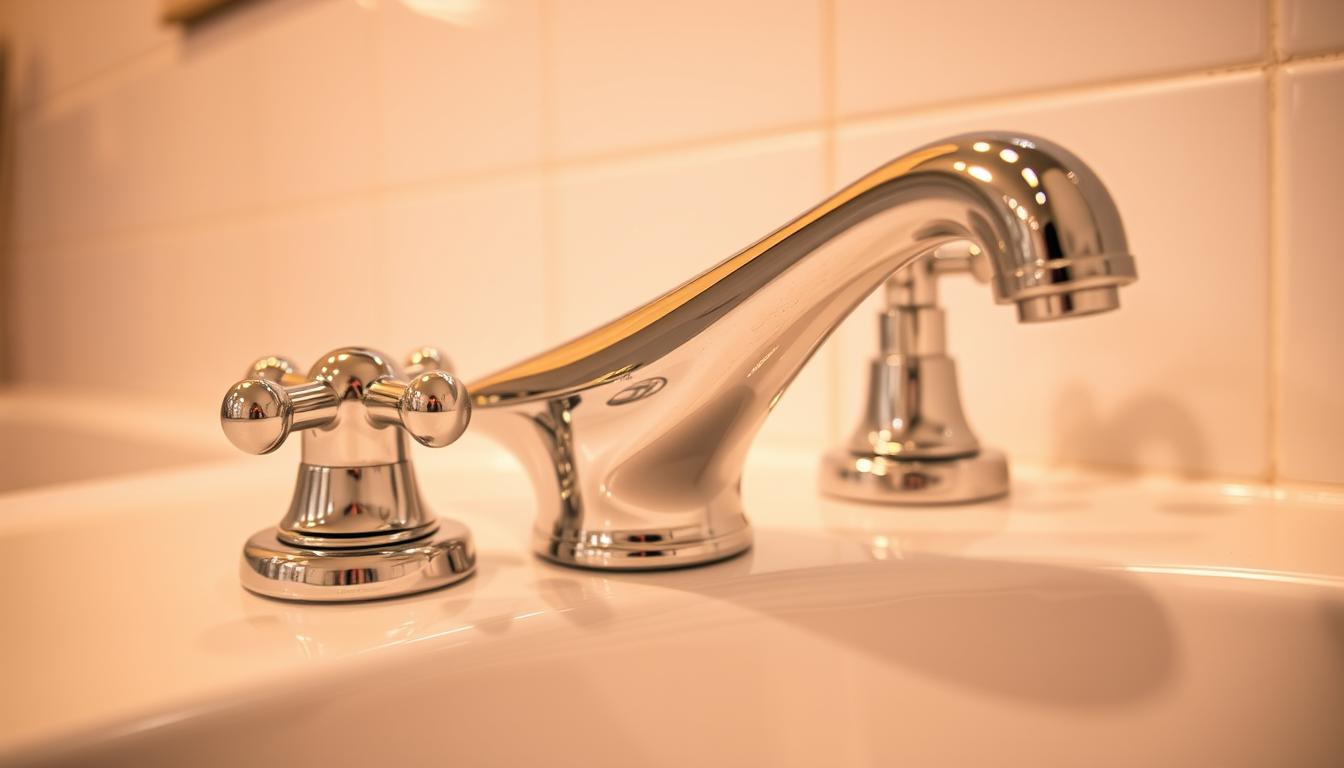
For taps, try equal parts white vinegar and water, rinse and dry with a microfibre cloth; for stubborn limescale, use gentle agitation with a soft toothbrush (Ollie, 31 Oct 2023). After a soak, dissolve two or three dishwasher tablets in bathwater to cut through soap residue, then drain and rinse (Source 2, Source 3).
Expect friendly tips for UK homes with hard water and family use, plus when a light refresh suffices and when ELFA Cleaning LTD can step in for professional-level care.
Key Takeaways
- Follow safety first, then use mild agents for routine upkeep.
- Use equal parts vinegar and water on taps; rinse and dry with a microfibre cloth.
- For deeper scale, agitate gently with a soft toothbrush.
- Dissolve dishwasher tablets in bathwater to tackle soap residue, then rinse well.
- Know when to call ELFA Cleaning LTD for professional, lasting results.
What UK readers will learn today: a friendly listicle guide from ELFA Cleaning LTD
ELFA Cleaning LTD offers a friendly listicle to help busy UK households tackle common bathroom jobs with confidence.
This short guide explains each step so you can choose DIY tasks or book a pro. We cover which products work best, how much time to allow and where water-based solutions are ideal.
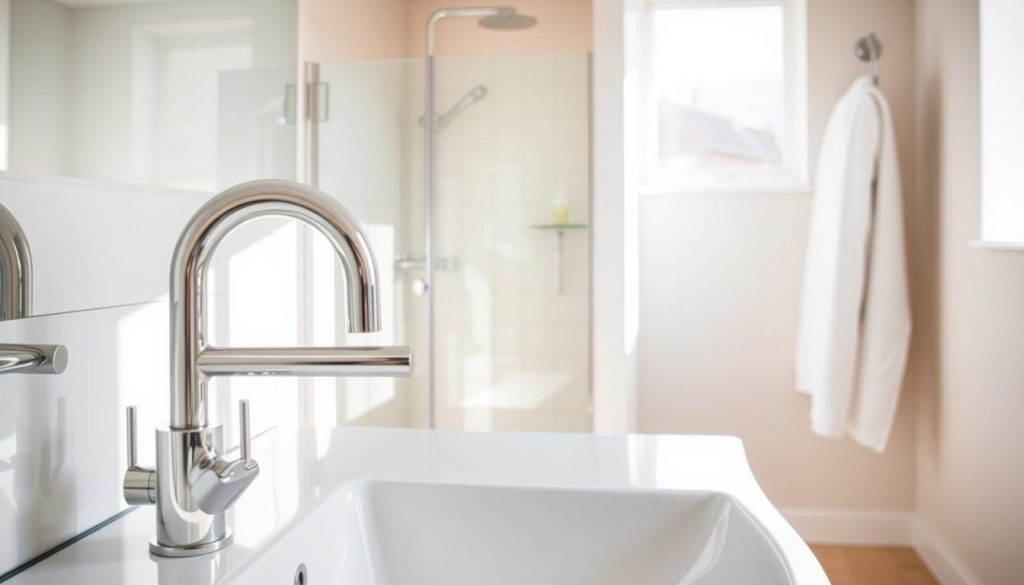
Expect clear pointers on tools already in your home and a few optional helpers that save effort. You will learn to use a vinegar-and-water mix for taps and routine build-up (Ollie), plus how dishwasher tablets can soak baths and shower heads to break down soap scum and limescale.
- What to expect: a logical order of tasks for busy schedules.
- Timing: how long to let solutions work for best results.
- When to call ELFA: fast, professional help for stubborn scale or delicate finishes.
Outcome: a practical plan to repeat weekly or monthly so your space stays fresh with minimal fuss.
Safety first: protect skin, fixtures and pipes before you start
Start with safety: a few checks will prevent damage to surfaces and stop accidents. ELFA Cleaning LTD recommends sensible PPE and a quick patch-test so your space looks better, never worse.
Gloves, ventilation and a water shut-off
- Wear gloves to protect your skin and open a window or switch on extraction for ventilation before using any products.
- Turn off the water supply if you will remove aerators or work close to fittings to avoid unexpected splashes.
- Never mix chemicals; rinse between steps and follow label contact times. More product will not give better results and can harm seals.
Boiling water cautions
Treat boiling water with care. Only pour boiling water into metal-waste sinks; never use it on plastic pipework as heat can warp pipes.
Test any abrasive method on a small, hidden area first. Porcelain, ceramic and matte finishes can scratch. Keep strong chemicals away from natural stone, lacquered or brushed surfaces unless a label confirms suitability.
| Risk | Action | When to call ELFA |
|---|---|---|
| Warped plastic pipes | Avoid pour boiling water; use warm water only | If pipes are old or unclear, book a pro |
| Delicate finishes | Patch-test; use microfibre and mild products | For lacquered or black fittings, ask ELFA for safe care |
| Chemical damage | Read labels; never mix products | For persistent scale or stains, call ELFA Cleaning LTD |
Grab your bathroom cleaning kit
A simple set of household basics will help you tackle grime without fuss. ELFA Cleaning LTD suggests starting with gentle essentials you likely already own to keep costs low and protect finishes.
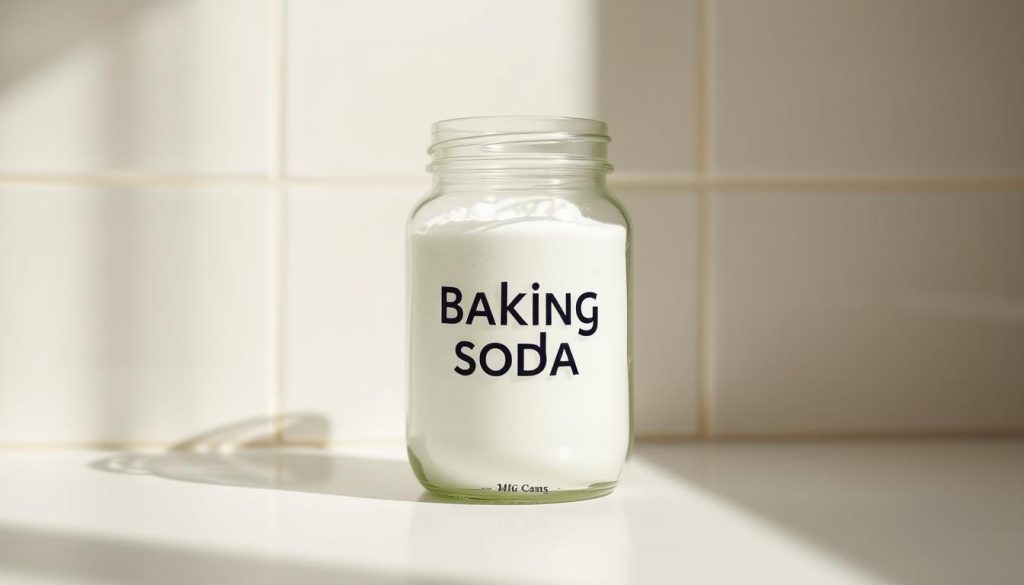
White vinegar, mild soap, baking soda and a soft cloth
Essentials: gather white vinegar, a mild liquid soap, a microfibre cloth and a soft toothbrush. These items handle most light jobs and are kind to fittings.
Keep a small bowl ready to mix equal parts water and vinegar for quick wipe-downs. Use warm water when dissolving a paste or rinsing.
Optional helpers: dishwasher tablets, lemon, microfibre, old toothbrush
For tougher spots, have baking soda and lemon to make a gentle paste. A dishwasher tablet can dissolve soap scum if left in warm water for a short soak.
Use an old toothbrush for tight joins and silicone lines. A microfibre cloth gives a lint-free finish on chrome, stainless, black or brass taps.
“Start small: assemble tools before you begin so tasks flow faster and risk to fittings stays low.”
| Tool | Use | Tip |
|---|---|---|
| White vinegar | Vinegar mix for quick wipe | Mix with water in a bowl; test on hidden area |
| Mild liquid soap | Everyday cleaning and gentle degrease | Safe for most surfaces; rinse well |
| Baking soda / lemon | Paste for stubborn marks | Use sparingly on sensitive finishes |
| Dishwasher tablet | Soak for scum, restore flow in heads | Spot-apply or dissolve in warm water only |
Pre-clean prep for faster results
Spend five minutes preparing and you will save a lot of time during the main task.
Clear a tidy workspace. Remove bottles, toiletries and clutter so you can reach every corner of the bathroom area without knocking things over.
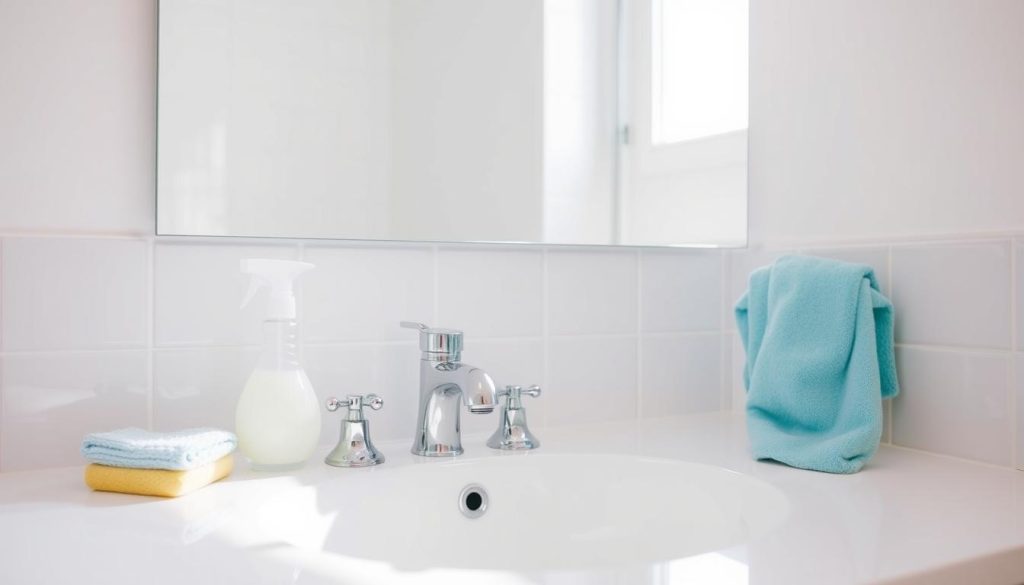
Turn off the water at taps if you’ll work close to fittings. A quick warm rinse will lift loose debris and make focused cleaning more effective.
Scan for any stubborn stains and mark them for targeted action. If you’ve got mixed finishes, note which parts need a gentler approach to avoid damage.
- Keep dry cloths within reach to wipe as you go.
- Open a window or run extraction so fumes clear quickly.
- Protect fragile surfaces with towels or masking tape where splashes may occur.
- Plan your steps from top to bottom so you do not retrace your path.
“A little pre-work makes the main session quicker and kinder to fittings.”
Listicle step: clean and wash the bath/shower, polish the tabs
A few careful actions, timed right, give a streak-free result that lasts. ELFA Cleaning LTD sets out a simple process to suit both bath and tray areas. Use gentle solutions, work top to bottom and take short rests while solutions act.
Quick process overview
Apply, wait, lift and remove. Wipe surfaces with equal parts water and white vinegar, then allow a few minutes for the mix to work. For heavy soap scum in tubs, dissolve two or three dishwasher tablets in warm water and leave as long as possible before draining and rinsing.
Rinse and dry for a streak-free result
Rinse thoroughly with clean water to remove loosened residue. Rinse dry straight away with a microfibre cloth to stop spotting and streaks.
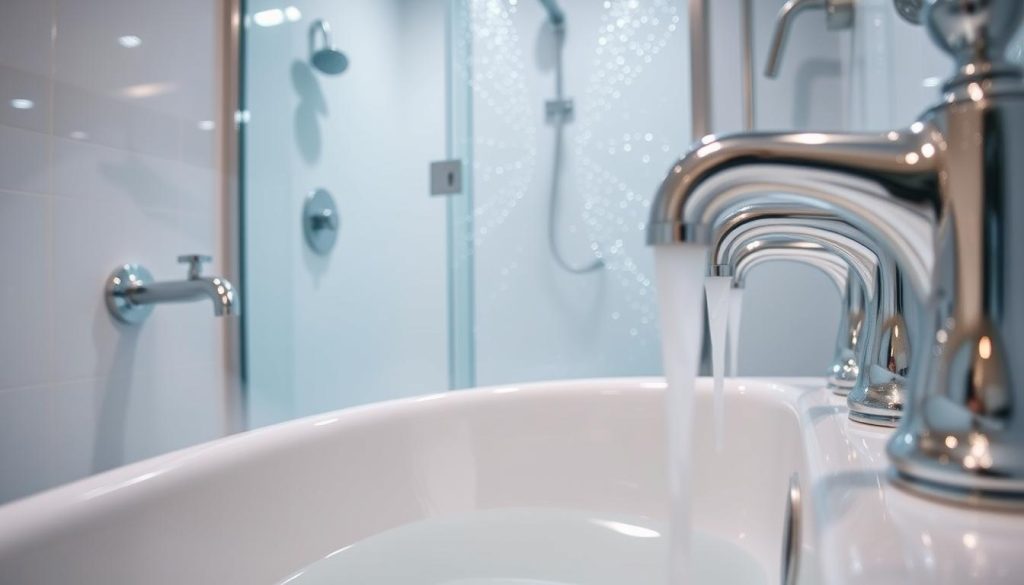
- Start with a gentle application across surfaces, then allow a few minutes of dwell time.
- Lightly scrub using a soft cloth or brush to lift film without harming finishes.
- Work from top to bottom so dirty water does not run over cleaned areas.
- Finish by polishing taps with a dry microfibre for a bright, smear-free finish.
- If stubborn areas remain, reapply and extend dwell rather than scrubbing harder.
“Keep motions gentle and steady; heavy pressure rarely helps when dwell time was adequate.”
Outcome: a quick routine that saves time and protects fittings, leaving a reliable finish ready for daily use.
Use a dishwasher tablet to cut through soap scum and limescale
A measured dishwasher tablet method gives a useful boost when natural mixes need help. ELFA Cleaning LTD recommends this approach as an option for tougher build-up on tubs and trays. Always patch-test first on a hidden spot.
Bath method
After a soak, keep the warm water in place. Drop in two or three dishwasher tablets and let them dissolve.
Leave the solution as long as possible so detergents soften soap scum and loosen limescale before you drain and rinse.
Shower tray method
For a tray, moisten a tablet and apply it directly to stubborn marks in the affected area. Work gently with a soft brush if needed.
When to avoid
Do not use this technique on delicate ceramics, matte coatings or certain natural stone. Test a small patch first and avoid heavy scrubbing; dwell time does most of the work.
“Use tablets sparingly and rinse well to protect finishes over time.”
- Rinse thoroughly with clean water after treatment.
- Dry with a microfibre cloth to stop tide marks returning.
- Alternate with vinegar-based maintenance for lighter upkeep between deep treatments.
| Area | Method | Tip |
|---|---|---|
| Bath | Dissolve 2–3 tablets in warm water; leave as long as possible | Drain, rinse well, then dry |
| Shower tray | Moisten tablet; spot-apply to stubborn marks | Test first; use gentle motion to remove residue |
| Delicate finishes | Avoid concentrated tablet use; patch-test | Choose vinegar mix or call ELFA for specialist care |
Vinegar and baking soda routine for everyday cleaning
A quick, low-odour routine using pantry staples keeps daily upkeep light and effective. ELFA Cleaning LTD’s go-to method is gentle, effective and easy to repeat in busy homes.
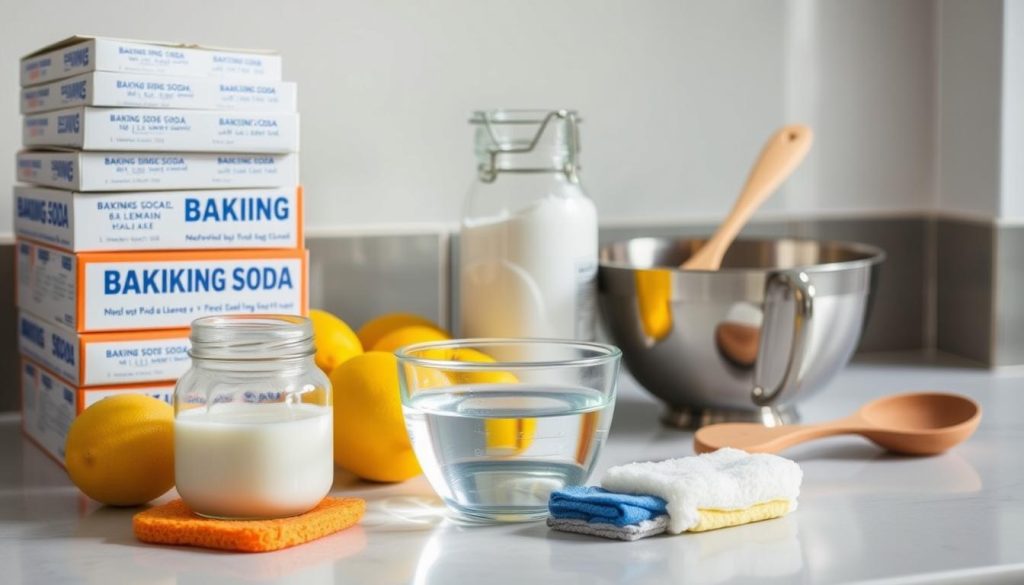
Start small: mix equal parts clean water and white vinegar in a small container. This simple solution removes light film on taps and nearby surfaces; wipe with a soft cloth, rinse, then dry for a streak-free finish (Ollie).
Make a safe vinegar mix
Combine equal parts water and vinegar for everyday upkeep. Apply with a soft cloth to lift fresh marks without strong odours.
Baking soda paste for corners and silicone
Stir baking soda with a splash of water to form a paste. Use this soda mix on tight joins and along silicone where grime builds up.
- Work gently with a soft toothbrush on edges and seams.
- Wipe paste away using your vinegar solution.
- Rinse with clean water and dry to reduce new stains forming.
- Rotate this routine with deeper methods only when heavy scale appears.
- Finish with a quick buff using a dry microfibre for a subtle sheen.
“Keep motions gentle; dwell time and a soft cloth do most of the work.”
Deep-clean the shower head for better water flow
Mineral build-up can hide inside the head; a gentle soak restores its performance. ELFA Cleaning LTD recommends periodic descaling to keep pressure steady and spray patterns even.
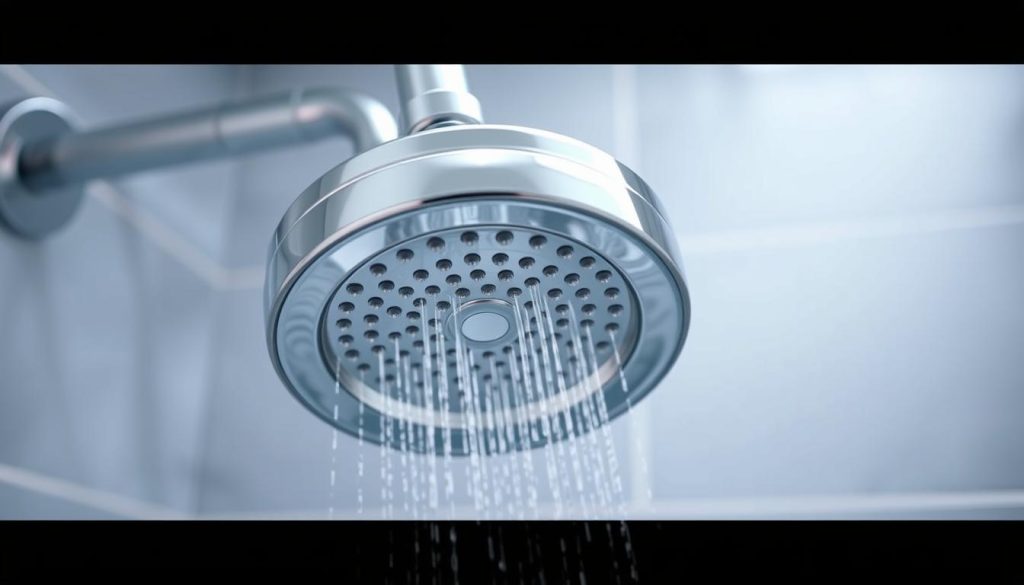
Soak in a bowl with a dishwasher tablet
Remove the head if possible and place it in a bowl of hot water with one dishwasher tablet. Leave it to work for about 30 minutes; this breaks down limescale and soap residue that restrict flow.
Alternative: vinegar for heavy limescale
If mineral deposits are stubborn, soak the part in white vinegar instead. Rinse thoroughly after any soak, then dry before refitting to prevent drips and spots.
- For fixed fittings, tie a small bag of solution around the fitting to soak in place.
- Use a soft brush on nozzles if debris remains, then rinse with clean water.
- Regular attention keeps flow consistent and reduces strain on your system.
- Avoid harsh abrasives which can scratch and dull finishes.
Tip: when using dishwasher products, follow manufacturer guidance and rinse well to protect internal parts.
Polish the taps: chrome, stainless, black and brass finishes
A light routine keeps fittings bright while protecting delicate surfaces. Use gentle methods to restore shine without harsh abrasion. ELFA Cleaning LTD recommends methods that extend a finish’s life, not shorten it.
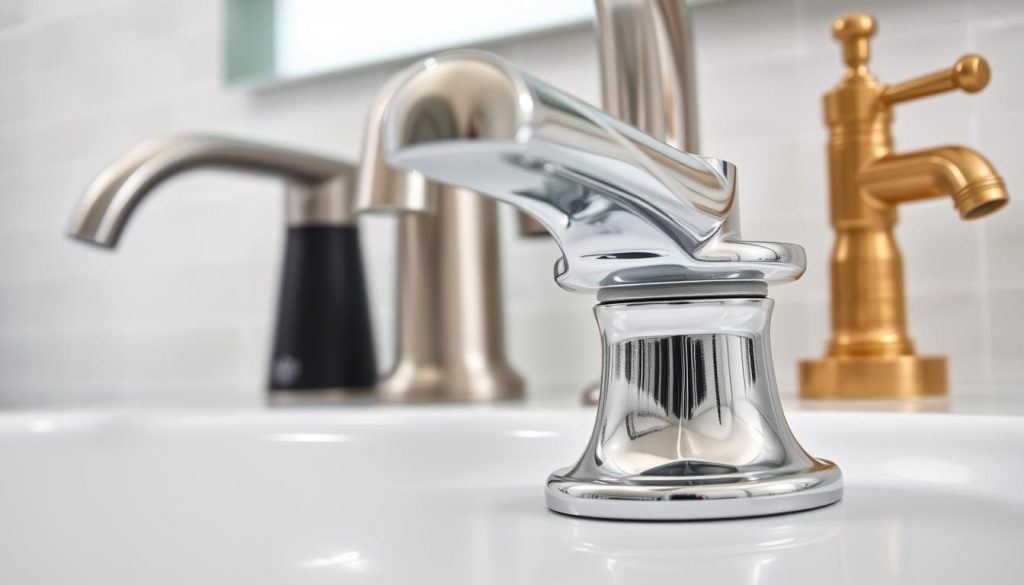
Gentle polish with a microfibre; avoid abrasive products
Wipe taps using equal parts water and white vinegar, then rinse and dry with a microfibre cloth. Apply light pressure; short strokes remove film and reduce streaks.
Avoid powders, metal pads or strong scouring agents on black or brushed surfaces. These create tiny scratches that look like a permanent haze.
Target limescale rings with vinegar wraps
Soak a small cloth in the vinegar mix and wrap it around the base of a fitting to soften limescale deposits. Leave for a short dwell, then gently agitate with a soft brush and wipe away residue.
- Work in small sections, rinse, then dry so water marks do not return.
- On brass, follow manufacturer guidance and stick to mild methods.
- Wipe off soap residue after use to prevent stains forming.
- If marks persist, repeat short, gentle cycles rather than heavy scrubbing.
Tip: finish with a dry buff for a consistent, showroom-style sheen.
| Finish | Best method | Do not use |
|---|---|---|
| Chrome | Vinegar/water wipe, microfibre dry | Abrasive pads |
| Stainless | Light cloth, follow grain, rinse with water | Harsh powders |
| Black / brushed | Microfibre, mild solutions, test first | Scouring pads, strong acids |
| Brass | Mild methods, manufacturer advice | Unknown strong cleaners |
Clean filters and aerators for pristine tabs and smooth water
A quick check of filters and aerators will boost water flow with minimal effort. ELFA Cleaning LTD recommends this small service because it transforms everyday use in a busy bathroom.
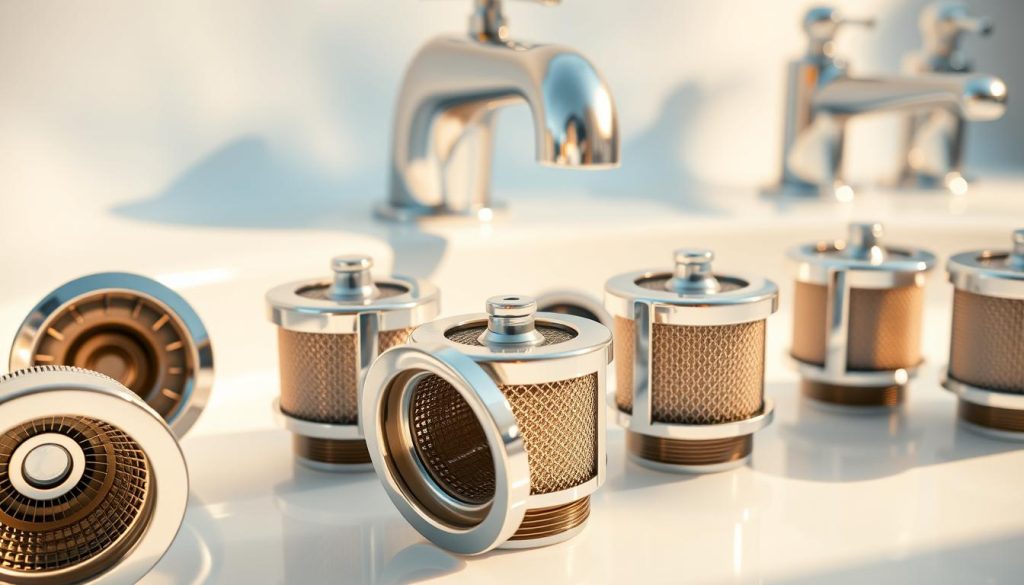
Remove, soak, brush, then refit. Unscrew the tap’s aerator or filter and note how pieces sit so you can reassemble them easily.
Step-by-step
- Unscrew the aerator/filter and keep parts in order for reassembly.
- Soak components in a simple vinegar-and-water mix to loosen mineral build-up.
- Brush gently with a soft toothbrush to remove fine grime without deforming parts.
- Rinse with clean water, check alignment, then reinstall for a smoother stream.
- Do the same for a sink spray head if fitted to improve performance.
This short task reduces splashing and gives steadier flow. Repeat every few months in hard-water areas for best results. If pieces are stuck or damaged, ELFA Cleaning LTD can repair or replace them safely.
“Small parts matter: a serviced filter often makes a bigger difference than you expect.”
Smelly or slow bathroom sink drains: what to do and what to avoid
When a sink starts to smell or drain sluggishly, a simple household trick can often bring relief. ELFA Cleaning LTD promotes safe, smart methods that protect plumbing while cutting odour and grease.
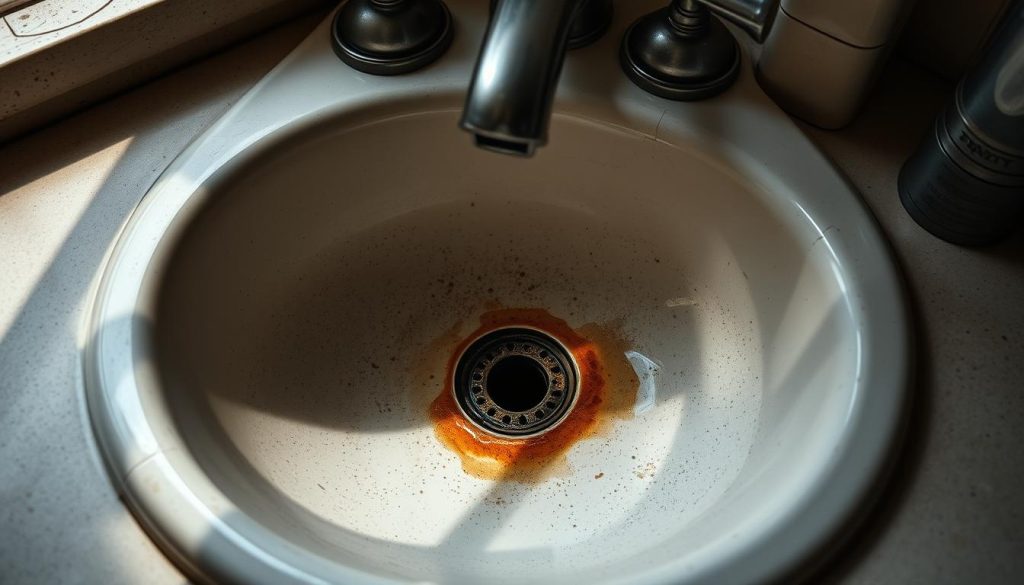
Drop a dishwasher tablet then pour boiling water (metal pipes only)
Step: drop a dishwasher tablet into the waste. The tablet helps break down grease and neutralise smells.
Important: follow with a careful pour of boiling water only if you are certain the waste pipe is metal. Plastic pipework can warp if exposed to high heat.
Avoid using tablets for hair-clogged drains
Do not use this method for hair blockages in a shower waste. Dishwasher tablets will not dissolve hair and may make mechanical removal harder.
- For a smelly or slow sink, try a dishwasher tablet to cut grease and odours.
- Carefully pour boiling water afterwards only on metal pipes; avoid plastic.
- If unsure of pipe material, use hot tap water and a plunger, or call ELFA Cleaning LTD.
- Keep strainers in place to reduce solids entering the waste.
- Rinse the area after treatment to avoid residue rings and consider periodic vinegar flushes for light maintenance.
- Persistent issues need a professional clean to protect pipes and restore smooth flow.
Tip: when using dishwasher products, follow manufacturer guidance and rinse well to protect fittings.
Extractor fan and bathroom hygiene tie-in
A well-serviced extractor fan helps keep moisture low and bathrooms fresher for longer. Fresh air reduces condensation on surfaces and slows mould growth, so ventilation forms a simple first line of defence for everyday hygiene.
Removable filters need occasional attention. Pop them out, place them in a heat-safe sink or tray, then cover with boiling or very hot water. Add a dishwasher tablet and leave the parts to soak for about two hours; you will often see the water turn yellowish-brown as grease lifts from the mesh.
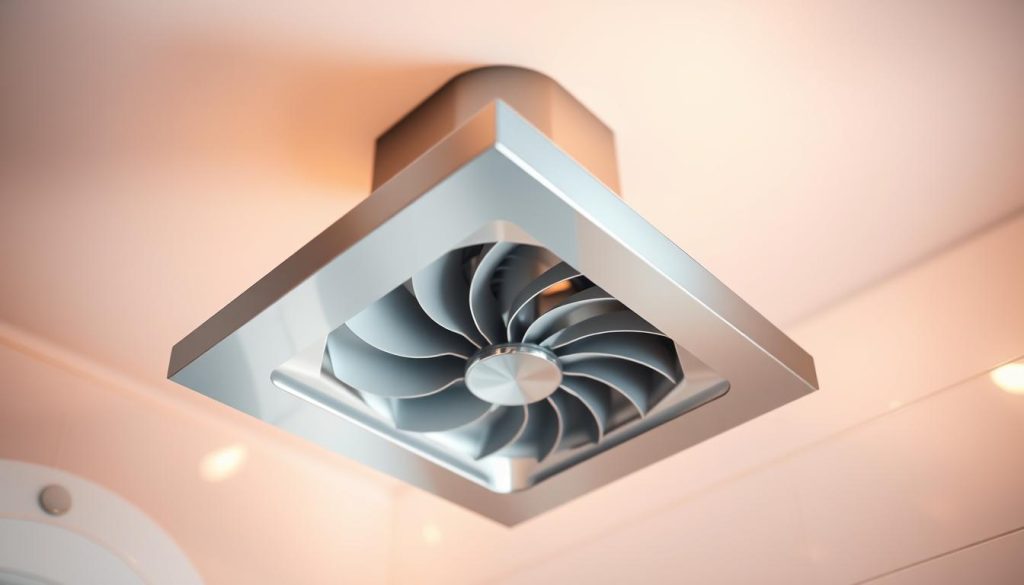
After soaking, rinse each filter thoroughly, dry fully and reinstall to restore airflow. Better extraction reduces steam lingering after use and helps surfaces stay in better condition for longer.
- Pop out removable extractor fan filters and place them in a sink or heat-safe tray.
- Cover with boiling or very hot water, add a dishwasher tablet, and leave for ample time to degrease.
- You’ll see the water turn yellowish-brown as grease lifts off the mesh.
- Rinse, dry and reinstall to improve airflow and reduce lingering steam.
Tip: coordinate this with your kitchen extractor filter routine to stay on top of both. Take care handling hot water and sharp edges; ELFA Cleaning LTD can include this task in a periodic hygiene refresh.
Time-saving schedule: minutes that make a difference
Spend minutes each day to avoid hours later: a simple routine makes all the difference. ELFA Cleaning LTD’s approach helps you stay on top of chores with short bursts of effort.

After-use wipe-downs versus weekly sessions
After a quick rinse, a squeegee plus towel dry stops spots forming. Do this straight after a shower to lock in that fresh look and reduce future effort.
Set a weekly slot for a slightly longer session. Use this time to desoap, rinse, then dry key surfaces so grime does not build up.
Monthly and priority planning
Plan a monthly deep session for taps, silicone lines and the shower head. Dissolve tablets in warm water and leave them as long as possible to cut later scrubbing.
If you’ve got a busy week, prioritise glass and chrome for the biggest visual win. Keep cloths and solutions handy so small jobs take under five minutes.
- Do a quick after-shower squeegee and towel dry to stop spots forming.
- Set a weekly slot to desoap, rinse and dry key areas.
- Use water wisely: dampen, allow dwell, then rinse thoroughly.
- Track what works at your home; move tasks to fortnightly if stable.
- Outsource a larger reset to ELFA Cleaning LTD when needed.
| Task | Frequency | Minutes |
|---|---|---|
| After-use squeegee & dry | Daily | 2–3 |
| Weekly desoap, rinse, dry | Weekly | 15–25 |
| Deep taps, silicone, head | Monthly | 30–60 |
Tip: small regular actions mean less heavy work later and more free time for things you enjoy.
Delicate materials and eco-minded choices
Certain surfaces need a softer touch. Porcelain, ceramic and matte finishes can scratch if abrasive contents are used without care. ELFA Cleaning LTD champions gentle methods that protect value and appearance.
Porcelain, ceramic and matte finishes: go mild, test first
Start with a small patch test in an unseen spot. Use mild solutions and soft tools, keeping motions light to avoid scratching.
Tip: if residue remains, repeat a short dwell rather than increasing pressure. Keep manufacturer guidance to hand for finish-specific advice.
Eco-friendly tablets and low-odour solutions
Consider eco-friendly dishwasher tablets when you need extra strength, but always rinse thoroughly after use. Do not put dishwasher tablets into a washing machine: they can leave residue and cause excess foaming.
- Choose low-odour vinegar mixes for indoor air comfort.
- To get rid of appliance smells, use methods made for that appliance, such as a vinegar cycle for a washing machine.
- Before applying tablet methods to outdoor furniture or other items, verify material compatibility.
- If unsure, ask ELFA Cleaning LTD for tailored product advice for your home.
Practical note: some porcelain and ceramic surfaces can scratch with abrasive tablet contents; test first and favour gentle repeat treatments over hard scrubbing.
| Surface | Recommended approach | Avoid |
|---|---|---|
| Porcelain / ceramic | Patch-test; mild vinegar mix; soft cloth | Abrasive pads or concentrated tablet paste |
| Matte finishes | Microfibre, light strokes, minimal product | Strong acids, scouring powders |
| Washing machine care | Vinegar cycles or manufacturer cleaner | Dishwasher tablets (risk of foam / residue) |
| Outdoor furniture | Test materials; use diluted eco tablets if suitable | Undiluted heavy tablet applications |
When to call ELFA Cleaning LTD for professional results
For persistent limescale or marks that won’t budge, professional help saves time and protects finishes. If you’ve tried household methods and stains keep returning, our team offers scheduled maintenance, deep-cleans and one-off rescue visits across baths, trays, taps and more.
We work carefully around delicate finishes and historic fittings. If you’ve got fragile brass, matte or lacquered surfaces, expert methods reduce risk and preserve value.
We also handle awkward details such as sink aerators, silicone joins and tap bases without causing damage. Book seasonal resets to keep your home on track and cut daily chores.
“Our team brings specialist tools, odour-light products and proven processes for a consistent finish across bath, shower and taps.”
| Service | When to choose it | Benefit |
|---|---|---|
| One-off rescue | Stubborn stains or heavy limescale | Fast restoration with safe methods |
| Scheduled maintenance | Regular upkeep to prevent returns | Less heavy work for you; consistent results |
| Detail care | Delicate finishes or intricate tap bases | Minimises risk; preserves materials |
| Pipe & sink attention | Slow drains or clogged aerators | Restores flow and reduces odour |
Ask ELFA Cleaning LTD about flexible scheduling tailored to your water hardness and ventilation setup. We’ll fit visits around your routine and leave a consistent finish across bath, shower and taps in less time.
Conclusion
Use gentle methods first, then step up to targeted soaks if marks persist. Start with equal parts water and vinegar on taps and finish by rinsing, then rinse dry with a microfibre for immediate shine.
For tubs, dissolve two or three dishwasher tablet in warm water and leave as long as possible for best effect. Remove a shower head for a thirty-minute soak in hot water with a tablet, or use vinegar for stubborn limescale. Only pour boiling water into a sink if pipes are metal.
Protect skin, test delicate finishes, and favour baking soda pastes for tight joins. For extractor fan filters, a careful hot-water soak with a tablet for around two hours helps airflow. If you’d prefer a pro finish, ELFA Cleaning LTD is ready to help.
FAQ
What products do I need to clean and polish taps with ELFA Cleaning LTD tips?
Use white vinegar, a mild soap, baking soda and a soft microfibre cloth. Optional aids include lemon, an old toothbrush and dishwasher tablets for stubborn limescale. Always test a small area first on delicate or matt finishes.
Are dishwasher tablets safe to use on all bathroom surfaces?
No. Tablets cut through soap scum and limescale effectively but can abrade sensitive surfaces like some acrylics, painted finishes or untreated brass. Spot-test and avoid prolonged contact on delicate materials.
How do I use a dishwasher tablet to freshen a bath or tray?
Dissolve two to three tablets in warm bathwater and soak as long as possible to loosen grime. For trays, moisten a tablet and rub stubborn spots gently then rinse thoroughly and dry to avoid streaks.
Can I pour boiling water down bathroom drains after using a tablet?
Only with metal pipework. Pouring boiling water can warp plastic pipes and damage seals. If pipes are metal, drop in a tablet, then carefully pour boiling water to help clear greasy build-up.
How do I deep-clean a shower head to improve flow?
Remove the head if possible and soak it in hot water with a dishwasher tablet for around 30 minutes. For heavy limescale, use a white vinegar soak instead, then brush and rinse before reinstalling.
What precautions protect my skin and fittings during cleaning?
Wear gloves, ensure good ventilation and turn off water where needed. Avoid mixing chemicals. For boiling-water methods, take care around plastic pipes and delicate finishes to prevent damage.
How do I remove limescale rings around tap bases?
Wrap the base in a cloth soaked in white vinegar and leave for 15–30 minutes, then scrub gently with a soft brush and rinse. For persistent spots, a baking soda paste applied briefly can help remove grime.
How should I maintain filters and aerators to keep taps flowing smoothly?
Remove aerators, soak in a vinegar solution, brush away deposits with an old toothbrush, rinse and reinstall. Regular attention prevents drop in water pressure and keeps water flowing cleanly.
Can dishwasher tablets help with smelly bathroom sinks?
They can help neutralise greasy build-up. Drop a tablet into the drain and follow with boiling water only if pipes are metal. Do not use this method for hair-clogged shower drains; mechanical removal is safer.
What’s the best routine for quick, streak-free results?
Wipe surfaces after each shower to prevent soap scum, and perform a short weekly clean using vinegar solution and a microfibre cloth. Reserve deeper methods, like tablets or pastes, for scheduled deep-cleans.
How do I protect matte or delicate finishes while cleaning?
Use mild, low-odour solutions and soft cloths. Avoid abrasive powders and harsh scrubbing. Always test a hidden spot before wider application and consider eco-friendly tablets designed for gentler action.
When should I call ELFA Cleaning LTD for professional help?
Contact ELFA Cleaning LTD for persistent limescale, extensive staining, delicate finishes that need specialist care, or when you prefer a professional deep-clean schedule tailored to your home. They can also advise on filters and extractor fan maintenance.