+44 1483 300827

ELFA Cleaning LTD’s Simple Steps to Clean and Wipe Skirting Boards

October 16, 2025

· clean and wipe skirting boards

ELFA Cleaning LTD brings a friendly, UK-ready routine that keeps trims looking sharp without a whole-day chore. Regular maintenance stops dust and grime gathering at the base of walls, so rooms feel fresher more often.

You’ll need basic kit: a microfibre duster or cloth, vacuum with an angled brush attachment, lukewarm soapy water, a magic eraser for scuffs and a tumble dryer sheet to repel dust afterwards.

Start with dry dust removal to avoid smears, then vacuum edges, wash gently and dry fully. Patch test any solution, especially on painted or wooden finishes, to prevent paint lift.

Time-saving tips from ELFA Cleaning LTD include using an angled vacuum brush for fast reach and a tumble dryer sheet to keep dust at bay between visits. A typical regular clean, including baseboards, is about £45 for a three-hour UK visit.

Key Takeaways

  • Begin with dusting to avoid wet smears and work towards gentle washing.
  • Use an angled brush on the vacuum and a tumble dryer sheet for longer-lasting results.
  • Patch test any solution on an unseen area before wider use.
  • Magic erasers and cotton buds help with scuffs and tight corners.
  • ELFA Cleaning LTD offers practical, UK-suitable tips that save time and keep homes looking neat.

What you’ll need before you start: ELFA Cleaning LTD’s UK-ready kit and prep

ELFA Cleaning LTD recommends gathering tools and solutions first so the job flows from dusting to drying without stops. A neat kit saves time, protects paint, and helps you tidy lower trims with care.
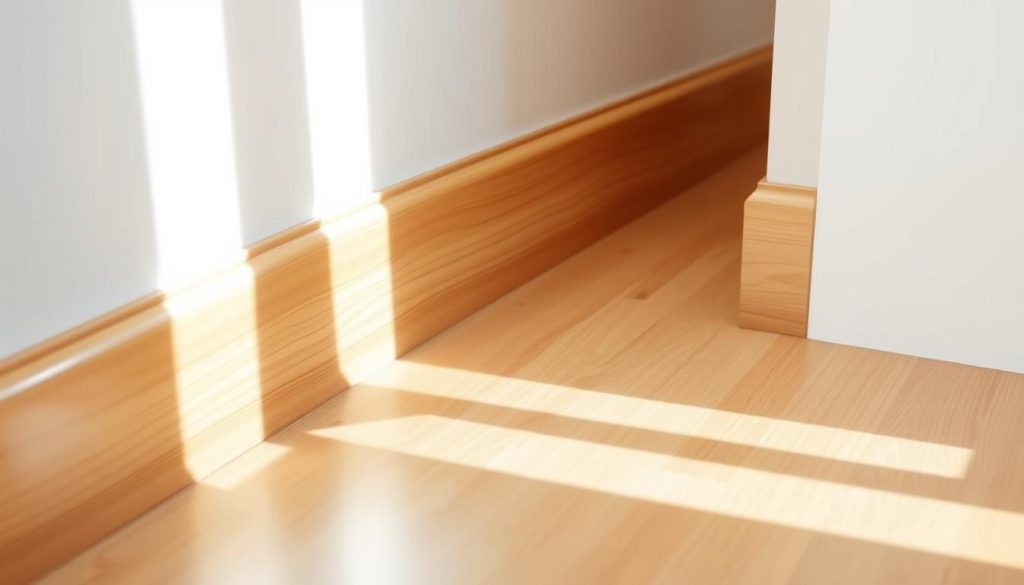
skirting boards

Essential tools

You’ll need microfibre cloths that lift dust efficiently, a vacuum with an angled brush attachment, a soft sponge for gentle washing and a magic eraser for scuffs. Add cotton buds or a small dry paintbrush for grooves and a tumble dryer sheet to repel dust after drying.

Best cleaning solutions

For most painted work, lukewarm soapy water with a little washing powder is the top routine cleaning solution. For heavier grime, use a white vinegar mix — try 1:2 or 1:3 (vinegar to water) with a few drops of washing-up liquid. Open a window for ventilation.

Protect your paintwork and floors

Always patch test any cleaner on an unseen area to make sure paint won’t lift. For older timber use a wood-safe cleaner, avoid over-wetting and dry immediately to prevent warping. Wiping almost dry then buffing protects finish and floor edges.

Make it easier

If bending is hard, use telescopic tools such as Skirting Board Buddy or the Qaestfy Skirting Board Cleaner Mop Tool with machine-washable microfibre pads. Lay everything out before you start so the sequence—dust, vacuum, wash, dry—stays smooth.

  • Tip: Rub a dryer sheet over the top edge as a quick trick to repel dust between visits.

Step-by-step to clean and wipe skirting boards the effortless way

ELFA Cleaning LTD shows an easy step guide that saves time and protects paint. Follow the sequence to avoid smears and keep finishes neat.
clean skirting boards

Dust first

Begin by passing a microfibre duster along the top edge and profiles. This first dry pass prevents soil spreading during later steps.

Then run a vacuum with an angled brush attachment along the length to lift fine fluff near the floor.

Wash gently

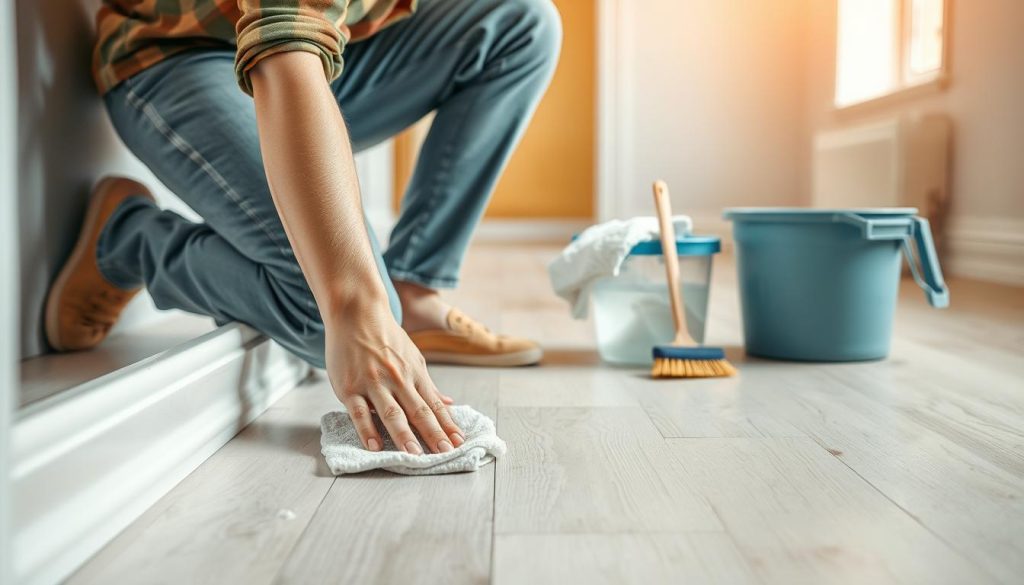
Wring a cloth in lukewarm soapy water until damp, then wipe the top, face and edges in smooth strokes. Work in small sections to lift grime rather than push it about.

Tackle grime and scuffs

For set-in dirt use a diluted white vinegar cleaning solution after a patch test, applying sparingly. Treat scuffs with a magic eraser and use cotton buds for corners and beading.

Dry and finish

Dry skirting boards thoroughly with a clean towel or kitchen paper so no drips remain. Finish by rubbing a tumble dryer sheet along the top to repel dust and extend time between visits.

Step Tool Tip
Dust Microfibre duster, vacuum attachment Work top to bottom, slow, steady passes
Wash Cloth, soapy water Keep cloth only damp, change water often
Detail Magic eraser, cotton buds Spot test before wide use
Dry Absorbent towel, dryer sheet Ensure no moisture on top edge

Keep skirting boards clean: smart maintenance, access tips, and when to hire a cleaner

A simple rhythm helps keep trim fresh: dust every fortnight and plan a deeper session every three months. This stops grime forming and saves time later.
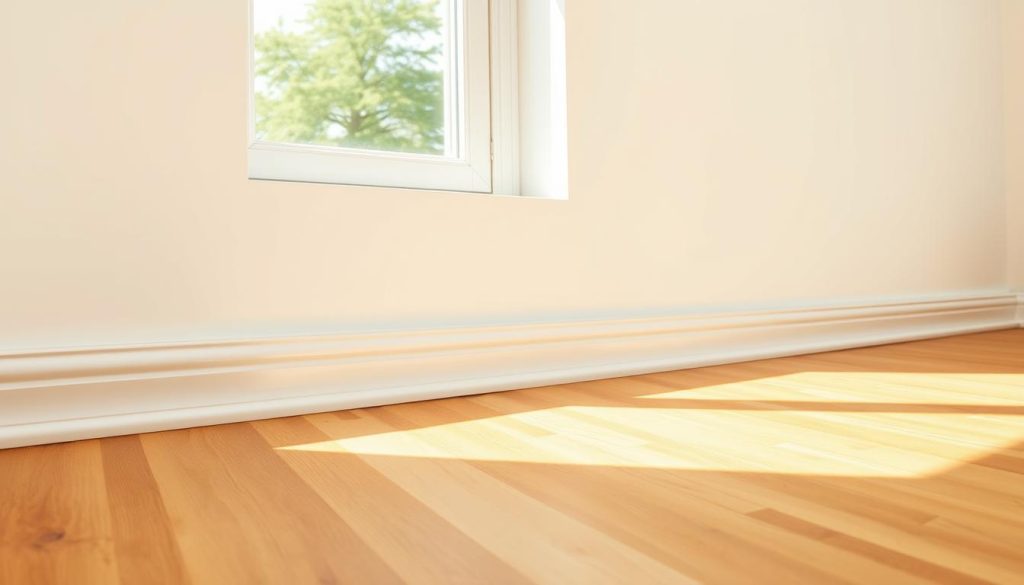
keep skirting boards

Simple schedule

Do a quick dry pass during regular dusting and follow with a vacuum along edges. A five-minute loop on the ground floor keeps things tidy between deeper sessions.

Standing solutions

Use long-handled kits to avoid kneeling. Options include Skirting Board Buddy, the Qaestfy skirting tool and telescopic feather duster sets. Extendable vacuum poles reach under furniture and reduce effort.

Professional help in the UK

If limited mobility or no time prompts hiring cleaner help, ELFA Cleaning LTD is a trusted option for UK households. Typical visits run about three hours at roughly £45, so highlight high-traffic areas like hallways, stairs and kitchens for best value.

  • Brief the cleaner: rooms to prioritise, whether they supply products, and what “boards clean” means.
  • Check references, insurance and agree access, pets and parking before the visit.
  • Communicate scent or surface preferences to get the result you expect.
Tool Best for Effort
Skirting Board Buddy Detailed contact cleaning Medium
Qaestfy tool Quick long runs Low
Telescopic feather duster Hard-to-reach gaps Low

Conclusion

Conclusion: For the best way to care for skirting boards follow a clear order: dust, vacuum, wash with lukewarm water and a mild detergent, spot-treat heavy marks with a vinegar mix, then dry skirting boards fully.

These tips make it simple to look after skirting using everyday tools or telescopic kits if you can’t bend. Keep a light routine — quick dusting every 2–3 weeks and a deep cleaning session every three months preserves paint and profile.

When to hire a cleaner? A scheduled visit (around £45 for three hours) gives consistent results across the house. Always patch test, use water sparingly on older wood, then finish with a dryer sheet pass to repel dust.

ELFA Cleaning LTD is ready with friendly advice or a helping hand for your next cleaning session. Bookmark this guide for an easy way clean at home.

FAQ

What is the quickest way to remove dust from skirting boards?

Start with a microfibre duster or long-handled cloth to lift loose dust, then use a vacuum with an angled brush to collect debris. This two-step approach saves time and prevents smearing.

Which tools should I have ready before I begin?

Prepare a few microfibre cloths, a soft sponge, a brush attachment for your hoover, a magic eraser for marks, and a dryer sheet to finish. If bending is difficult, use a telescopic duster or an extendable mop.

What cleaning solution works best for painted skirting?

Use lukewarm soapy water for routine cleaning. For stubborn grime, a diluted white vinegar mix (one part vinegar to four parts water) works well. Always test on an inconspicuous area first to protect paint.

How do I remove scuffs and stubborn marks without damaging the finish?

Gently rub marks with a magic eraser or a soft sponge dampened with the vinegar mix. Work slowly and avoid over-wetting to prevent paint lifting. Cotton buds help reach tight corners.

How should I dry skirting boards after cleaning?

Wipe surfaces with a dry microfibre cloth immediately after washing. A final pass with a dryer sheet helps repel dust and leaves a subtle fresh scent.

How often should I tidy and deep clean skirting boards?

Dust every fortnight to keep dust levels low. Perform a deeper wash every few months, or sooner in high-traffic areas like hallways and kitchens.

Are there special tips for wooden or varnished skirting?

Use a wood-safe cleaner rather than vinegar if the finish is delicate. Apply sparingly on a soft cloth and buff dry to maintain the sheen and avoid water damage.

Can I use a vacuum alone to maintain skirting boards?

A vacuum with a soft brush head handles loose dust well, but it won’t remove grease or settled grime. Combine vacuuming with occasional washing for the best results.

How can I keep skirting boards cleaner for longer?

Reduce dust by keeping flooring clean, use dryer sheets after drying to repel dust, and address spills quickly. Regular light maintenance prevents heavy build-up.

When should I hire a professional cleaner in the UK?

Consider hiring a cleaner if you lack time, have many rooms, or face stubborn marks that require specialist products. Discuss scope, expected visit length and costs with local services.

Article by Elfa Cleaning LTD

Welcome to ELFA Cleaning LTD, where the pursuit of cleanliness is not just a service; it’s a story of resilience, hard work, and the determination to turn humble beginnings into a thriving business.

Leave a comment

Clean and Wipe Skirting Boards Effectively with ELFA Cleaning LTD’s Guide

August 18, 2025

· clean and wipe skirting boards

ELFA Cleaning LTD brings a friendly, practical step guide to help UK households revive tired edges fast. This short intro sets the scene for a quick, thorough routine you can start today.

Why it matters: skirting near floors traps dust, pet hair, pollen and splatters. Regular dusting with an angled vacuum brush and a microfibre dust will stop grime building up.

We explain what kit to gather, the safest sequence to protect paint and timber, and simple wins that make a visible difference in minutes. Use lukewarm soapy water for marks and try a magic eraser for scuffs after testing a discreet spot.

Pro tips: rub a tumble dryer sheet over a dry board to repel dust between sessions. Avoid polish sprays that smear; keep a pot of touch-up paint for knocks. If time is tight, hiring a pro is an option—typical UK visits average £45 for about three hours.

Key Takeaways

  • Follow ELFA Cleaning LTD’s method for fast, safe results at home.
  • Dust first, vacuum with an angled brush, then wash and dry.
  • Use lukewarm soapy water for splatters; test vinegar mix on a small area.
  • Tumble dryer sheets repel dust; magic erasers tackle scuffs.
  • Avoid polish sprays; keep touch-up paint handy for chips.

What you’ll need to clean skirting boards safely and efficiently

Before you begin, assemble a compact kit so each pass is steady and safe.

Essentials you’ll need:

  • a vacuum with a soft brush attachment;
  • a couple of microfibre cloths;
  • a bucket of lukewarm soapy water and a mild washing-up liquid;
  • white vinegar for heavy grime and a magic eraser for scuffs.

Microfibre grabs fine dust without scratching. Wring cloths almost dry to protect paint while still lifting marks.

skirting boards

Use the soft vacuum head weekly to lift pet hair and trapped dust. For an easier routine, attach a cloth to a mop handle as a DIY mop to reach tight gaps.

For painted or MDF surfaces go damp-not-wet. If you’ve got old or bare timber, avoid soaking and use a wood-safe cleaner, then dry immediately. Patch-test new cleaning solutions and crack a window when using vinegar.

Accessibility tip: telescopic tools and long-handled dusters let you work standing. Lay kit along your route so you won’t double back — that’s the best way to stay efficient and safe with ELFA Cleaning LTD’s guide.

Step-by-step: clean and wipe skirting boards the best way

Follow this short professional sequence from ELFA Cleaning LTD to get a safe, streak-free finish.

cleaning skirting boards

Dust first

Start by running a microfibre cloth or a trim mop along the top lip and profiles. Work from one doorway clockwise so you don’t miss sections.

Vacuum next

Use the angled soft brush attachment to lift residual dust and pet hair. Cover the edge where carpet meets the moulding to pick up loosened grit.

Wash with soapy water

Mix lukewarm soapy water (a splash of washing-up liquid in a bowl). Wring the cloth until damp, not soaking, to protect paint and timber. Wipe in long, overlapping strokes, rinsing the cloth frequently.

Tackle heavy grime

For stubborn dirt, use a white vinegar solution (1 part vinegar to 2 parts warm water) after a patch test. Use a magic eraser for scuffs, but avoid harsh scrubbing on soft finishes. Open a window while using vinegar.

Rinse and dry

Remove residue with a second cloth dipped in clean water, then dry skirting immediately with a towel or kitchen paper. Drying stops moisture damage and helps keep the trim looking fresh.

Finishing touch

Rub a tumble dryer sheet lightly along the surface to help repel dust between sessions. If suction drops, check your vacuum for clogs so you don’t leave debris behind.

How to keep skirting boards clean over time in your UK home

Keeping trim neat over time is straightforward with a few small habits that fit busy UK homes.

Simple routine: dust skirting every fortnight, give a deeper wash each quarter, and tackle splatters as soon as they appear. Quick spot action with lukewarm soapy water stops marks setting into paint or timber.

Store a long-handled duster or telescopic tool in a hall cupboard so you can run it along profiles during a short tidy. Use an upholstery brush on the vacuum to lift loose grit from the floor edge after dusting.

keep skirting boards

When to call for help

If mobility or time are limited, consider hiring a cleaner. Be explicit: list rooms, note problem areas, and state any product limits for wood or old finishes.

Service What to specify Typical UK cost
Regular clean Include hallways, kitchen edges, pet areas Around £45 for 3 hours
Deep session Full wash of profiles, scuff removal, wood-safe solution Price varies by scope; agree time budget
Accessibility visit Long-handled tools, focus on priority rooms Discuss hourly plan with cleaner

Top tips: focus on high-traffic rooms, prioritise gentle methods for timber, and check reviews when hiring. ELFA Cleaning LTD is ready to help with ongoing routines or a one-off deep session to keep skirting boards clean and the surrounding floor looking smart.

Conclusion

Follow a practical sequence from ELFA Cleaning LTD to make your room edges look fresh again.

Quick recap: dust, vacuum with a soft brush attachment, wash with lukewarm soapy water, treat scuffs with a magic eraser or a measured vinegar solution after a patch test, then rinse and dry. Finish with a tumble dryer sheet to help repel dust between sessions.

Keep to a fortnightly dust routine and a quarterly deep clean to keep your skirting board profiles neat. For timber or older board finishes, use minimal moisture and dry immediately to protect the surface.

If time is tight, book a cleaner. Typical UK visits average around £45 for three hours and can include focused cleaning skirting as agreed. Use these tips today or contact ELFA Cleaning LTD for help.

FAQ

What kit do I need to clean and wipe skirting boards safely?

A vacuum with a brush attachment, several microfibre cloths, lukewarm soapy water, white vinegar, a magic eraser and long-handled dusters or a telescopic tool cover most jobs. Choose a mild detergent for painted surfaces and a soft cloth for varnished timber.

How should I check the surface before starting?

Inspect painted, wooden or older trim for flaking paint, loose joints or sensitive finishes. Avoid excessive liquid on older timber and test any solution in a discreet spot first.

What is the best order to tackle the task?

Dust the top and edges with a microfibre or mop, vacuum with the brush head to lift residue and pet hair, then use a damp cloth with soapy water. For stubborn marks, apply a white vinegar mix or a magic eraser sparingly, rinse with clean water and dry fully.

How damp should the cloth be when using soapy water?

Wring the cloth until it’s damp rather than dripping. Excess water can damage paint and cause swelling in wooden trim, so keep moisture minimal and work in small sections.

Which products remove scuffs without harming paint?

A diluted vinegar solution or a magic eraser used gently will lift many scuffs. Test on an unseen area first and avoid abrasive scrubbing on satin or eggshell finishes.

How do I dry and finish after washing?

Wipe with a clean, dry microfibre to remove moisture, then buff lightly. A dryer sheet rubbed along the top can help repel dust and prolong the fresh look.

How often should I maintain skirting in a UK home?

Dust every fortnight, do a light wash quarterly and spot-clean spills as they occur. High-traffic rooms may need more frequent attention.

When should I hire a professional cleaner?

Consider a cleaner for deep grime, delicate antique trim or if you prefer time-saving help. Specify gentle solutions and experience with timber or painted finishes when booking. UK session costs vary by region and scope—ask for a written quote.

Can I use white vinegar on all surfaces?

Vinegar is great for many finishes but avoid it on untreated wood and natural stone. Always dilute and test first to prevent dulling or damage.

Any quick tips to keep trim looking fresh between cleans?

Run a hand-held vacuum weekly, use microfibre cloths for fast dusting and address fingerprints promptly. Simple routines cut down deep-clean time later.

Article by Elfa Cleaning LTD

Welcome to ELFA Cleaning LTD, where the pursuit of cleanliness is not just a service; it’s a story of resilience, hard work, and the determination to turn humble beginnings into a thriving business.

Leave a comment