ELFA Cleaning LTD brings practical guidance for UK households to refresh high‑touch electrical fittings safely. Light switches are among the most touched surfaces at home and often attract smudges, grime and germs.
Simple routines cut germ spread, especially during cold and flu season. Start each session by turning off the switch or isolating power at the fuse box for deeper care. Never spray liquid straight onto plates and avoid overly wet cloths near electrics.
This short guide explains easy steps to clean and wipe light switches, remove finger prints and dirt without harming finishes. You will find quick tips for different materials, eco‑aware options and a safe way to keep fixtures looking their best.
Key Takeaways
- ELFA Cleaning LTD focuses on safety, hygiene and simple home routines.
- Turn off power before deep work; never spray liquids onto fittings.
- Short daily attention reduces germ transfer across shared surfaces.
- Choose methods that suit the plate material to avoid damage.
- Eco‑friendly options are effective and family‑friendly.
Why light switches need regular attention and how to stay safe in the process
High‑contact switch plates collect fingerprints, dust and visible grime fast. These small fittings see repeated hand contact in busy rooms, so residues and bacteria can build up quickly.
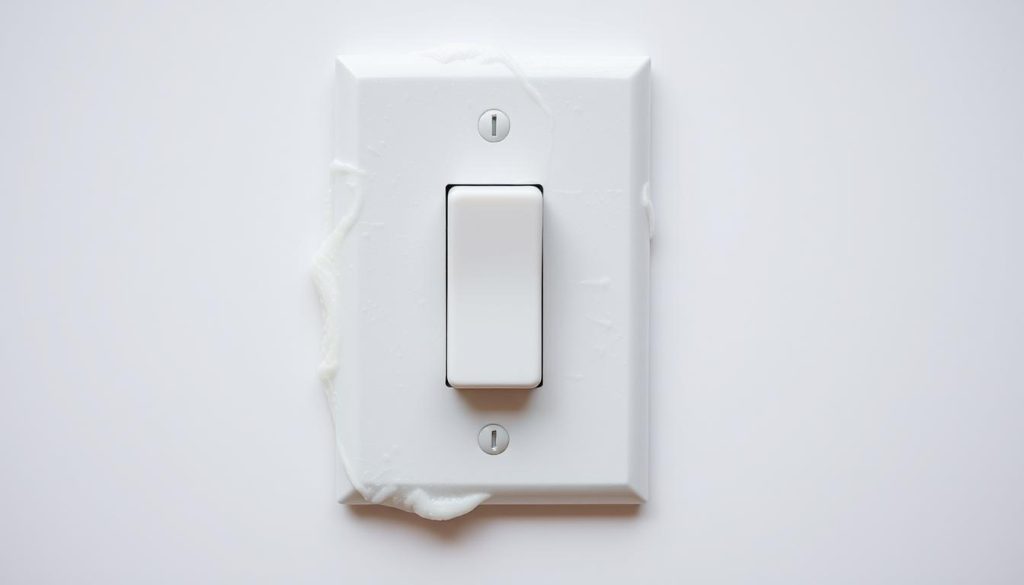
High‑touch surfaces: fingerprints, dust, grime and bacteria in UK homes
Even tiny toggles and the surrounding wall plate can affect overall hygiene in a home. In shared households, each touch may transfer germs, so frequent attention reduces spread.
Electrical safety first: switching off, avoiding moisture and safe application
Safety is the priority. Always turn off the switch before any work. For deeper tasks, isolate power at the consumer unit to remove risk near live components.
“Never spray liquid directly onto plates; apply solution to a cloth and keep moisture away from gaps.”
- Focus on high‑traffic areas such as kitchens, bathrooms and hallways first.
- Use minimal water and avoid dripping sponges to protect mechanisms.
- Be gentle on delicate finishes to prolong the life of decorative plates.
| Issue | Risk | Quick action |
|---|---|---|
| Marks and oils | Visible smears; transfers via hand contact | Regular surface cleaning with a damp cloth |
| Dust build‑up | Residue sets hard; affects paint | Dry dust first, then controlled damp wipe |
| Moisture ingress | Electrical fault risk | Never spray; apply solution to cloth, keep gaps dry |
How to clean and wipe light switches, remove finger prints and dirt step by step
Follow a simple sequence to tackle grime on plates while keeping electrical safety first.
Gather your kit
Assemble a soft cloth, mild dish soap, warm water, a sanitiser applied via cloth, cotton buds or a toothbrush and a dry towel.
Power down and dry dust
Turn the switch off. For extra safety, isolate the circuit at the fuse box if you plan more involved work.
Start with a dry microfiber cloth to lift dust so loose grit does not scratch the surface.
Wipe, degrease and disinfect
Lightly dampen the cloth with soapy water to tackle surface grime. Keep the cloth merely damp to avoid moisture entering gaps around the plate.
Apply your sanitiser to the cloth — never spray directly — and pass over each switch evenly to reduce germs.
Detail edges, dry and set a schedule
Use cotton buds or a soft toothbrush along toggles and perimeter to clear trapped residue. Soften any paint flecks with warm water and lift gently.
Finish with a dry towel and allow a short air‑dry period before restoring power. Aim for weekly attention in the kitchen and bathroom, bi‑weekly in busier rooms and monthly elsewhere.
| Task | Tool | Reason |
|---|---|---|
| Dry dust first | Microfiber cloth | Removes grit, protects finish |
| Surface degrease | Damp cloth with mild soap | Lifts grime without excess moisture |
| Detail grooves | Cotton buds or toothbrush | Dislodges residue in tight areas |
| Sanitise safely | Sanitiser on cloth | Avoids spray near components |
| Dry and restore | Dry towel + air time | Prevents moisture near live parts |
“Power down, dry dust,apply solution to a cloth, detail edges and allow full drying before power is restored.”
Special care for different switch plates and deeper cleans
Different materials need specific care to keep plates looking good without harming finishes. ELFA Cleaning LTD recommends testing any product on a hidden spot first and using a soft cloth for routine attention.
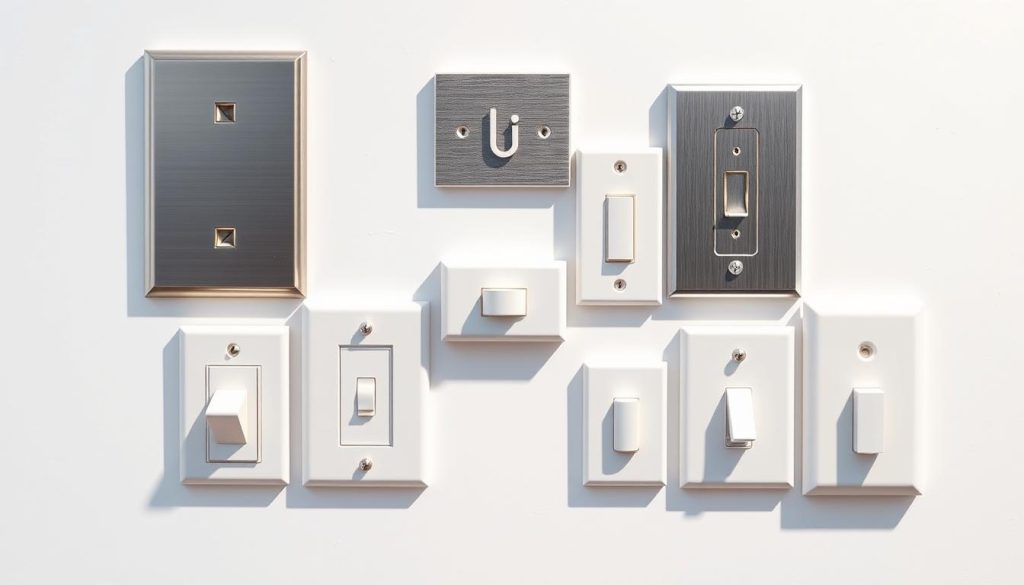
Plastic and painted surfaces
Plastic plates respond well to mild soap and a damp cloth. Avoid bleach or ammonia as these may yellow plastic or lift paint near the wall edge.
Metal and decorative finishes
Use a very soft cloth and a non‑abrasive cleaner. Spot‑test an inconspicuous area to confirm compatibility and dry thoroughly to prevent water marks.
Brass and polishing
For tarnish, sprinkle table salt onto half a lemon and rub gently. Wipe residue away with paper and buff with a soft cloth for a bright finish.
Dimmer dials and small components
Ridges trap debris; use a toothbrush with minimal moisture. Keep liquid application controlled to stop any ingress near the mechanism.
Deeper cleans by removing plates
If heavy soiling builds, switch power off, unscrew the plate, soak it in warm, soapy water, clean gently and dry fully before refitting. Only restore power when plates and hands are completely dry.
Eco‑friendly upkeep
For routine maintenance, try a 1:1 white vinegar and water solution applied to a cloth, never sprayed directly. This is a simple, greener way to keep surfaces fresh between deeper treatments.
“Test products, use soft cloths and take your time when removing plates to protect finishes and safety.”
Conclusion
Consistent care protects finishes on wall plates while reducing germ transfer across the home.
Follow a simple routine: apply solution to a soft cloth or microfiber, control moisture, then dry with a towel or paper. Allow a short air‑dry time before you restore power to any switch or circuit.
Set a schedule that fits your household — weekly in the kitchen and bathroom, bi‑weekly in busy rooms, monthly elsewhere. Short sessions mean upkeep takes minutes rather than a major task.
ELFA Cleaning LTD can help if you prefer a professional way to keep switch areas and other surfaces in top condition across your home. Contact the team for tailored domestic services.